
Whoops-a-daisy! Almost tripped over there!
Ever notice how life can be full of little stumbling blocks? Just when you’re getting into your stride, feeling empowered and in control, there’s always something ready to trip you up. Be it a work deadline or unexpected house chores, an ill-timed roadblock never fails to throw a wrench in our meticulously planned routine.
Similarly, when it comes to managing our health and wellness, we often face unexpected hurdles that disrupt our journey toward sustainable wellness. One such hurdle that many women encounter is hormonal imbalance, which can lead to a number of health concerns.
Ever thought about the root cause of these imbalances and how you can tackle them using Mother Nature’s bounty? Saw palmetto, a humble plant with massive health benefits, might just be the solution you’re looking for.
So, fasten your seatbelt as we embark on this enlightening journey about saw palmetto and its potential health benefits!
What is saw palmetto?
Saw palmetto, also scientifically known as Serenoa repens, is a type of palm native to the southeastern United States.
It is recognized by its fan-shaped leaves and deep red fruits that are around the size of olives. These fruits have been used for their health benefits for centuries, particularly by the Native American population. They have been used in traditional medicine for a variety of purposes, such as to boost immune function and to improve urinary and reproductive health.
Today, saw palmetto is commonly used as a dietary supplement and is available in various forms such as tablets, capsules, and even as an extract.
Known for its potent therapeutic effects, it has gained popularity among individuals seeking natural remedies for their healthcare needs.
Whether it’s enhancing overall wellness or targeting specific health concerns, saw palmetto can be a beneficial addition to your diet.
The therapeutic benefits of saw palmetto

Promoting urinary tract health
- One of the primary uses of saw palmetto is in promoting urinary tract health, particularly in men.
- This herb is known to support healthy urinary functions, making it a valuable natural remedy for individuals experiencing urinary issues.
- Regular intake of saw palmetto can help alleviate symptoms such as frequent urination, difficulty starting urination, and weak urine flow. These benefits are especially significant for older adults, who are more prone to urinary tract issues due to age-related changes.
Managing benign prostatic hyperplasia (BPH)
- BPH is a common condition in men, characterized by the enlargement of the prostate gland.
- This enlargement can lead to uncomfortable symptoms, including urinary frequency, urgency, and nocturia (nighttime urination).
- Saw palmetto has been extensively studied for its potential to reduce symptoms associated with BPH.
- The active compounds in saw palmetto are believed to inhibit the conversion of testosterone into dihydrotestosterone (DHT), a hormone that can contribute to prostate enlargement.
- By lowering DHT levels, saw palmetto may help reduce the size of the prostate gland and alleviate urinary symptoms.
Hair health and hair loss prevention
- Saw palmetto is also celebrated for its potential benefits in promoting hair health.
- Hair loss, particularly androgenetic alopecia (male and female pattern baldness), is often linked to elevated levels of DHT. This hormone can shrink hair follicles, leading to hair thinning and loss.
- Saw palmetto may help slow down hair loss and promote healthier, thicker hair by inhibiting the enzyme 5-alpha-reductase. This enzyme is responsible for converting testosterone into DHT.
- By reducing DHT levels, saw palmetto can potentially support hair regrowth and improve overall hair quality.
Support for hormonal balance
- Hormonal balance is crucial for overall health and well-being, and saw palmetto has been found to have a positive impact in this area.
- In women, particularly those experiencing symptoms related to Polycystic Ovary Syndrome (PCOS), saw palmetto can help manage hormone levels.
- PCOS is characterized by an imbalance of hormones such as androgens (male hormones), which can lead to symptoms like irregular menstrual cycles, acne, and excess hair growth.
- By modulating hormone levels, saw palmetto may help alleviate these symptoms and support hormonal balance.
Enhanced sexual function
- Saw palmetto is also associated with benefits for sexual health.
- It is believed to enhance sexual function by promoting healthy reproductive systems. In men, it can improve libido and fertility by supporting prostate health and hormonal balance.
- Reducing DHT levels may also contribute to improved sexual function, as high levels of this hormone can negatively impact libido and reproductive health.
- Women may also experience benefits in terms of enhanced sexual function and hormone regulation, particularly during menopause or periods of hormonal fluctuations.

Improved immune function
- In addition to its other benefits, saw palmetto may support the immune system.
- A healthy immune system is essential for protecting the body against infections and diseases.
- Some studies suggest that saw palmetto may have immune-boosting properties, potentially enhancing the body’s defense mechanisms.
- This benefit is particularly valuable during times of stress or illness when the immune system may be compromised.
- Seeing palmetto can contribute to overall health and well-being by supporting immune function.
Potential side effects and precautions
While saw palmetto offers various health benefits, it’s important to consider potential side effects and take necessary precautions.
Some individuals may experience minor side effects like dizziness, headache, nausea, or constipation. However, these are typically temporary and ease as your body adjusts to the supplement.
In rare cases, saw palmetto may cause allergic reactions. If you experience symptoms such as hives, difficulty breathing, or swelling of the face, lips, tongue, or throat after taking saw palmetto, seek immediate medical attention.
Additionally, it’s advisable to consult your healthcare provider before starting any new dietary supplement, especially if you’re pregnant, breastfeeding, or have a pre-existing medical condition.
How to incorporate saw palmetto into your wellness routine
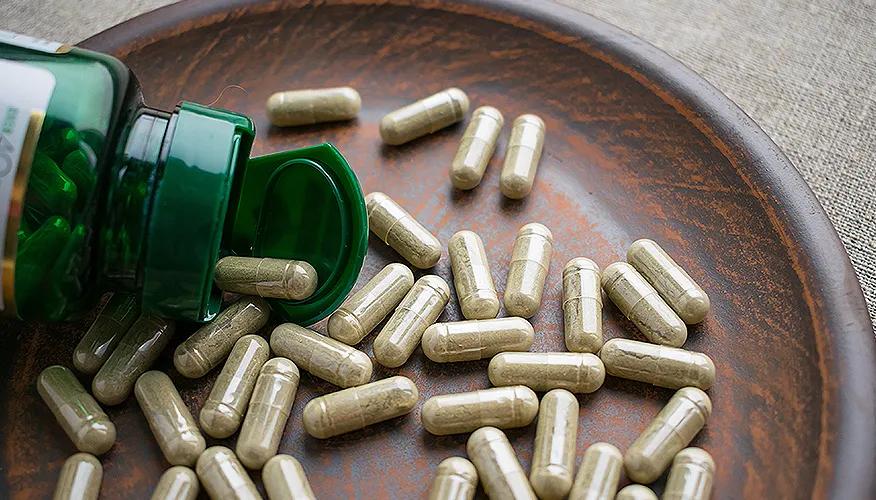
Incorporating saw palmetto into your wellness routine can be easy if you know how.
Here are some simple steps:
- Consultation: Always consult with a healthcare provider before starting any new supplement, including saw palmetto, to ensure it’s safe for your specific health condition.
- Supplements: Saw palmetto supplements are widely available in the form of capsules, tablets, or as a liquid extract. The standard dosage typically recommended is 160 mg twice a day.
- Dietary intake: Beyond supplements, incorporating more foods rich in beta-sitosterol, a compound also found in saw palmetto, can be beneficial. Foods like avocados, nuts, and seeds can help complement the effects of saw palmetto.
Conclusion
To conclude, saw palmetto is an impressive natural remedy packed with potential health benefits.
From supporting urinary tract health to potentially preventing hair loss, this small palm tree has a lot to offer.
However, it’s crucial to remember that everyone is unique. Although saw palmetto may work wonders for some individuals, it may not have the same effect on others.
Therefore, it’s always best to consult with a healthcare professional before incorporating it into your wellness routine.
By understanding and tapping into the power of nature’s bounty like saw palmetto, we can all take proactive steps towards improving our overall well-being.
As we journey together towards sustainable healthcare and wellness, let's continue exploring other natural remedies that nurture our body and spirit in the most gentle and effective ways possible.
Meet our expert

Meet our expert
Dr. Lynda Odoh-Anikwe, holding a Bachelor of Medicine and Bachelor of Surgery (M.B.B.S) degree, she pursued her Master of Public Health (MPH) at the University of Manchester. Actively engaged in advancing preventive healthcare, she is a member of the Society of Lifestyle Medicine Nigeria. Dr. Odoh-Anikwe aims to attain certification as a Lifestyle Medicine Physician from the International Board of Lifestyle Medicine by the final quarter of 2022.

.gif&w=1920&q=75)

How was the experience with article?
We'd love to know!