
Picture this: a tiny heartbeat fluttering beneath your ribs, the promise of a new life blossoming within you. Pregnancy – it’s a beautiful, awe-inspiring experience, but let’s be honest, it can also be a whirlwind of questions, anxieties, and maybe even a few cravings for pickles and ice cream (at the same time?).
As women, we carry the incredible power to create life, but navigating those nine months – a journey of immense physical and emotional change – can feel daunting.
Fear not, mama-to-be! This blog is your haven, your source of support and information on the incredible path of prenatal care.
Hormonal changes occur during pregnancy
As soon as your body gets to the pregnancy phase, it goes into overdrive and immediately starts preparing to protect and sustain the pregnancy.
As a result, your body creates more progesterone and estrogen, among other hormones. These hormones are necessary for a healthy pregnancy and your baby’s growth and development.
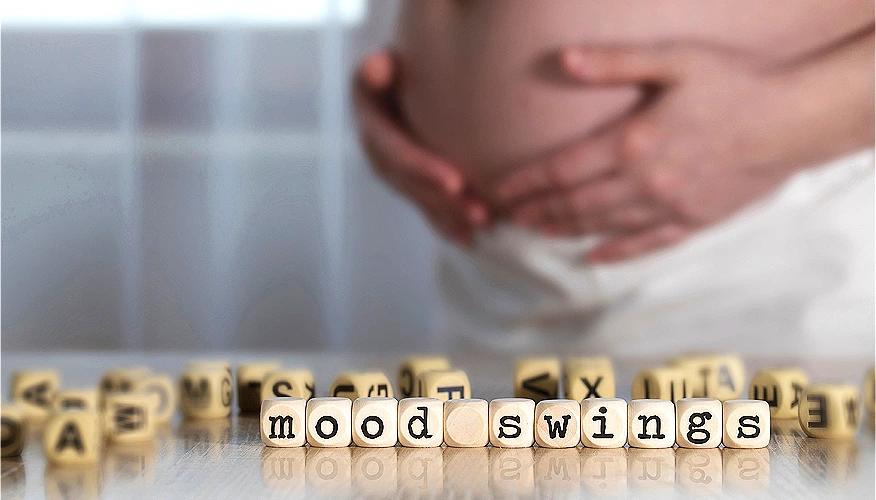
At the same time, these hormones are to be blamed for various effects on your body and mind. In addition to feeling sick and exhausted, you may also feel angry, anxious, and depressed.
Typically, these symptoms may disappear once your body adjusts to the increased amounts of these hormones. However, some pregnant women will continue to have them throughout their pregnancy.
Emotional dilemma during pregnancy
The feeling of growing a new life within you can be an amazing and thrilling experience, despite the emotional ups and downs brought on by increased hormone levels. You may experience them more, especially during the first three months.
The changes that a pregnancy and a new baby will bring are also likely to cause feelings of anxiety, vulnerability, and leave you feeling overwhelmed. Research has shown that 1 in 5 women may feel depressed during pregnancy.
You can be experiencing some disturbing thoughts despite your excitement about the pregnancy. There are many questions that you may ask yourself.
You may have concerns about your capacity to be a mother, how your relationship may alter, or whether you will be able to handle finances.
Things like eating or drinking during pregnancy, afterthoughts about childbirth or even resuming life post-childbirth may further worry you.
Coping with mood swings and emotions
It can always be difficult for you to feel upbeat or think clearly when you're anxious and worn out.
Though managing mood swings and emotional ups and downs during pregnancy can be challenging, there are several coping strategies that can help you during this phase of life.
1. Put self-health first
Paying attention to your own needs is the first step when you’re expecting a baby. Make sure to take proper care of your body by getting enough rest, sleep, and nutrition.
Making sure you eat well and stay active can help lower your stress levels during pregnancy.
Try to include different types of exercises in your daily routine, like walking, swimming, prenatal yoga, or even just cycling on a stationary bike.
It’s important to avoid contact with sports or intense workouts, especially if you weren't active before getting pregnant.
Research shows it’s safe for average-weight pregnant women to do aerobic exercises for 35 to 90 minutes, around 3 to 4 times each week. Interestingly, 73% of women who exercised regularly during pregnancy had normal vaginal deliveries.
Remember, it’s crucial to chat with your doctor before beginning any exercise routine while pregnant. They can make sure it's safe and suitable for your specific situation.

2. Feel free to talk it out
- Bottling up concerns could increase your anxiety.
- Discussing your feelings and worries with someone who makes you feel comfortable can help you manage your emotions and limit worry and anxiety.
- Talking to other expectant parents may also reveal that you are not alone in your experiences. This will also provide you with some peer support.
3. Enjoy every moment
- That may include indulging in your favorite hobby, catching up with friends, or watching the new box office hit at the cinema.
4. Indulge in mindfulness and meditation
- Navigating pregnancy can feel like a whirlwind of emotions and challenges. Dealing with stress and anxiety is all part of the journey.
- But practicing mindfulness and meditation can truly be lifesavers. They’re like a soothing balm for your mind, helping to dial down anxiety and bring a sense of peace, even during those emotional ups and downs.
- Research has found that 75% of pregnant women who tried mindfulness for just 8 weeks saw a drop in their stress levels.
- So why not make mindfulness and meditation your go-to tools for emotional well-being during pregnancy? It's a simple yet powerful way to take care of yourself during this special time.

5. Maintain a supportive social network
- Having a strong support network is crucial when you’re pregnant.
- It’s all about having people around you who care, like family, friends, and your healthcare team. They’re there to lend an ear, offer advice, and support you every step of the way.
6. Talk to your doctors to get a better understanding
- Knowing about the hormonal shifts that happen during pregnancy can help you handle those mood swings and emotional ups and downs.
7. Use relaxation techniques
- Stress can make those mood swings even tougher to handle. But there are some simple tricks you can try to manage it better.
- Things like relaxing your muscles, taking deep breaths, or picturing yourself in a peaceful place can help.
8. Indulge in massage therapy
- Massage therapy during pregnancy will help to ease your tense muscles, lower stress levels, relieve joint and muscle discomfort, back pain, and improve sleep and mood.
- Pregnant women experienced a 42% reduction in back pain and a 56% reduction in leg pain with twice-weekly massage therapy for 12 weeks.
- However, it’s extremely important to consult your doctor for an appropriate time to start with massage therapy and get it done through a certified prenatal massage therapist.
9. Enroll yourself in a prenatal yoga class
- Consider joining a prenatal yoga class to build your strength and flexibility through targeted yoga poses.
- Research has shown that 30% of pregnant women who enrolled in prenatal yoga experienced lesser anxiety throughout their pregnancy.
- Pregnant women experienced a 29% reduction in depression with twice weekly 20 minutes of yoga sessions for 12 weeks.
Know when you should seek help
In case your mood swings persist for more than two weeks and show no signs of improvement, it would be a good idea to request a counseling referral from your medical professional.
Observe the frequency and intensity of your mood swings and keep a check on the following signs to see if you need professional help.
- Anxiety that returns often
- Heightened mood
- Sleep-related issues
- Shift in dietary patterns
- Short-term memory loss
- Unable to focus for an extended period

Conclusion
The better we understand the profound impact of hormonal changes on mood, the more prepared we are to navigate it–and the smoother the pregnancy journey can be.
Acknowledge the hormonal basis of mood fluctuations during pregnancy and embrace effective coping mechanisms. As the journey unfolds, be observant of your mood patterns and know when to seek help.
By integrating simple coping strategies into daily life, you can easily manage your mood and emotions, and build a foundation of well-being for both you and your child.
We encourage you to connect with your healthcare provider to schedule a prenatal care visit. Let's work together to ensure a healthy pregnancy for you and your precious little one. Remember, knowledge is power, so keep exploring resources and don't hesitate to ask questions. You've got this, mama!
Meet our expert

Meet our expert
Dr Sintayehu Abebe is a Consultant Internist and Interventional Cardiologist at the Addis Ababa University. The young and energetic Dr Abebe who is always keen on learning new things is also President of the Ethiopian Society of Cardiac Professionals (ESCP).



How was the experience with article?
We'd love to know!