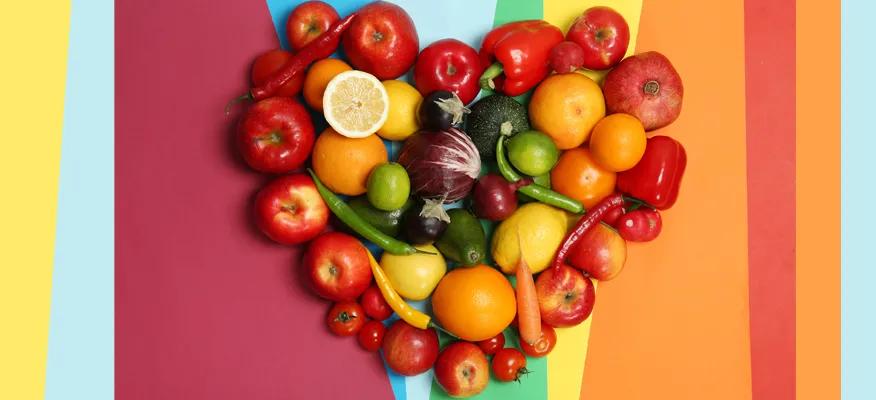
A rainbow diet advocates eating a wide range of colourful fruits and vegetables as different colours have different implications on your health. You see, researchers have found that the colours in fruits and vegetables come from compounds collectively called phytonutrients.
These compounds help protect the plants from disease and when we eat them, they protect us too.

Here's what you need to know about the different benefits of coloured produce.
1. White and Brown
Most white and brown plants, like onions and garlic, contain allicin, which gives them a pungent flavour. Allicin comes in handy while fighting heart disease and cancer, it is also shown to have antimicrobial and antiviral properties. Research also suggests that allicin can help protect against atherosclerosis and diabetes.
2. Orange and Yellow
Oranges, carrots, bananas, pineapples, corn, all contain beta-cryptoxanthin, which is related to beta carotene. Beta-cryptoxanthin is converted into vitamin A which aids your body's growth and development and improves your eyesight.
3. Red
Red-coloured foods such as tomatoes, beets, strawberries, watermelon, cherries, and red peppers contain the carotenoid lycopene. Not only does it improve the health of your heart, brain, eyes, and bones, but it may also reduce the risk of cardiovascular disease and prevent prostate cancer.
4. Green
Everyone knows that green leafy vegetables are important for your diet and provide you with good nutrition. They contain folates which aid in cell growth and cardiovascular health. Additionally, they contain cancer-fighting compounds like sulforaphane, isocyanate, and indoles.
You can take your pick from avocados, broccoli, kale, cabbage, and even herbs like basil and thyme.
5. Blue & Purple
Blue and purple foods, like grapes, plums, purple cabbage, blueberries, and eggplant contain powerful antioxidants called anthocyanins. These compounds aid in blood flow, reducing clotting, and have been shown to have antiviral effects.
Aside from diabetes and retinopathy, they've also been shown to help treat urinary tract infections and heart disease.
Though each of these groups is good to include in your meal, none of them are sufficient on their own. For the best results, you need to be eating at least two servings of this colour cocktail every day. And the fresher the better, because cooking these items on high heat can end up destroying the helpful compounds within.
Conclusion
The Rainbow Diet is a holistic approach to nutrition, advocating for a diverse intake of colored fruits and vegetables. Each color group offers unique and essential phytonutrients that contribute to overall health. From supporting heart and brain health to fighting cancer and improving eyesight, this diet underscores the importance of a varied, fresh, and minimally processed plant-based diet for optimal health benefits.
Meet our expert

Meet our expert
Dr. Irina Borisovna Stefanenko, a medical doctor based in Ukraine, graduated from Vinnitsa State Medical University in 1995. Between 1995 and 2000, Dr. Stefanenko pursued postgraduate studies and engaged in scientific activities at Vinnytsa Medical University in Ukraine.



How was the experience with article?
We'd love to know!