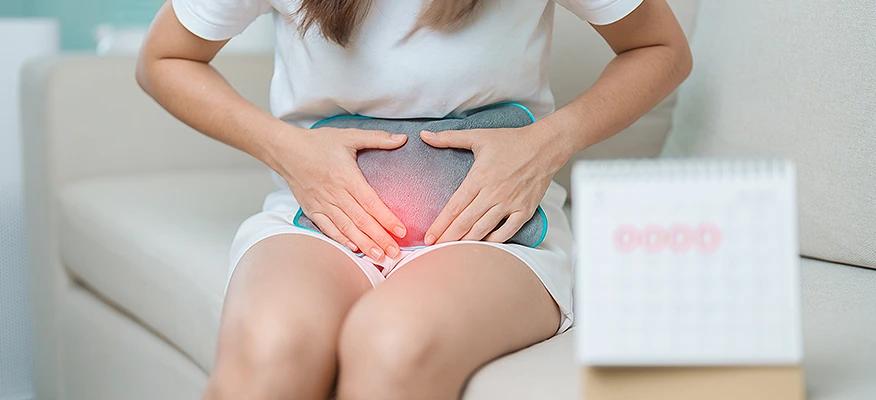
We’ve all been there — glancing at the calendar and quietly calculating whether the most uncomfortable days of the month will clash with work deadlines, travel plans, or simply the rhythm of everyday life. For many women, menstrual pain is a familiar part of the monthly cycle, yet it’s often dismissed as something to simply tolerate.
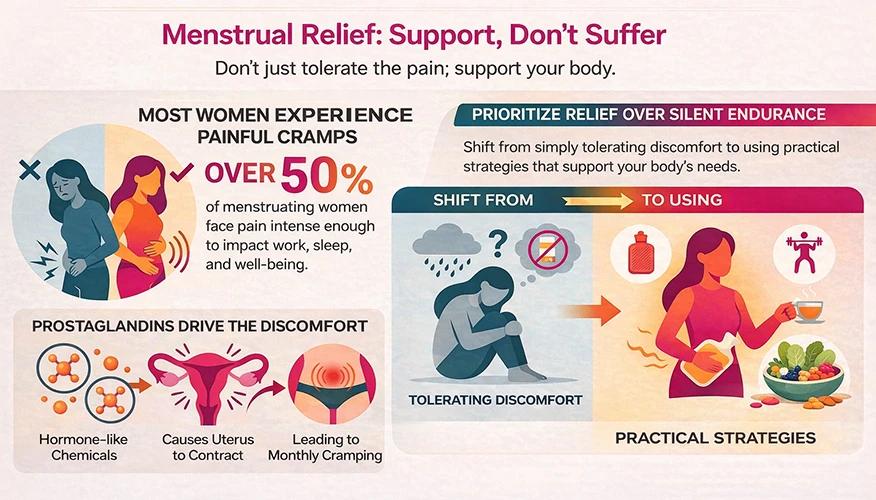
But menstrual pain isn’t just a routine inconvenience. Research suggests that more than half of menstruating women experience painful cramps, sometimes intense enough to affect work, sleep, and overall well-being. These cramps occur when the uterus contracts to shed its lining during menstruation, a process driven by hormone-like chemicals called prostaglandins. When these chemicals are produced in higher amounts, the contractions can become stronger and more painful.
Understanding why menstrual pain happens is the first step toward managing it effectively. By recognising common causes and exploring practical relief strategies, you can move beyond silently enduring the discomfort and start supporting your body in ways that make your cycle easier to navigate.
What Is Menstrual pain?
Menstrual pain, also called period pain, cramps, or dysmenorrhea, is that throbbing or cramping sensation you feel when your uterus contracts during periods. Think of it as your uterus working hard to shed its monthly lining, like a muscle flexing repeatedly.
This discomfort typically shows up 1-2 days before your bleeding starts or right when your period begins, lasting about 2-3 days for most women. The pain usually centers in your lower abdomen but can travel to surprising places.
Where you might feel it:
- Lower belly with dull aching or sharp cramps
- Lower back and hip pain that radiates down
- Thigh pain extending toward your knees
- Pelvic area with a heavy, pressing sensation
The intensity varies dramatically between women and even between your own cycles. Some months might bring mild discomfort you barely notice, while others can stop you in your tracks.
Why Does Menstrual Pain Occur
Understanding the "why" behind your monthly discomfort helps you tackle it more effectively. Three main factors work together to create period pain.
1. Hormonal Changes During The Menstrual Cycle
Your body produces hormone-like substances called prostaglandins in your uterine lining just before your period starts. These chemical messengers have one job: trigger powerful muscle contractions to expel the monthly lining.
Higher prostaglandin levels mean stronger contractions, which translates to more intense cramping. It's like turning up the volume on your uterus's monthly cleaning cycle. Some women naturally produce more prostaglandins than others, explaining why your friend might breeze through her period while you're reaching for pain relief.
2. Reduced Blood Flow To The Uterus
Those strong uterine contractions create an unintended side effect: they squeeze blood vessels, limiting oxygen delivery to your uterine muscles. This temporary oxygen shortage, called ischemia, causes pain-inducing waste products to accumulate in muscle tissue.
Think of it like holding your breath while exercising. Your muscles start to ache from the lack of fresh oxygen and the accumulation of metabolic waste. Your uterus experiences something similar during intense contractions.
3. Individual Factors That Can Worsen Pain
Your lifestyle and overall health significantly influence how intensely you experience hormonal pain. Stress and fatigue act like amplifiers, boosting prostaglandin production and making contractions feel stronger.
Factors that can intensify symptoms:
- Poor diet without anti-inflammatory nutrients
- Lack of physical activity reduces natural pain-fighting endorphins
- Insufficient sleep disrupts hormonal balance
- High stress levels increase inflammation throughout your body
Common Symptoms Of Menstrual Pain
Period pain rarely travels alone. Most women experience a cluster of symptoms that can vary from cycle to cycle.
Physical symptoms:
- Lower abdominal cramps ranging from mild to severe
- Uterine pain that feels deep and heavy
- Pelvic pain causes discomfort during movement
- Lower abdominal cramps after the period in some cases
Whole-body effects:
- Headaches or nausea accompany the cramping
- Fatigue that makes simple tasks feel exhausting
- Menstrual cycle mood changes, including irritability or sadness
- Digestive upset or changes in appetite
These symptoms typically peak during the first 2-3 days of your period when prostaglandin levels are highest, then gradually decrease as hormone levels stabilize.
When Menstrual Pain May Signal A Problem
While mild to moderate menstrual pain is common, severe or persistent pain should never be ignored. If cramps regularly interfere with work, sleep, or daily activities, your body may be signalling something beyond typical menstrual discomfort.
Certain medical conditions can cause unusually intense menstrual pain. Endometriosis, for example, occurs when tissue similar to the uterine lining grows outside the uterus, leading to inflammation and severe cramps. Uterine fibroids, non-cancerous growths in the uterus, can also contribute to heavy bleeding and pelvic pain. In some cases, adenomyosis or pelvic infections may also be responsible.
1. Signs That Menstrual Pain Should Be Evaluated By A Doctor
You should consider seeking medical advice if menstrual pain:
- Prevents you from carrying out normal daily activities
- Does not improve with basic relief methods or OTC medicines
- Is accompanied by unusually heavy bleeding or large clots
- Appears suddenly after years of relatively painless cycles
- Occurs with symptoms like fever, nausea, or severe fatigue
Early diagnosis can make a significant difference. Identifying the underlying cause of menstrual pain allows healthcare providers to recommend treatments that reduce symptoms and protect long-term reproductive health.
How To Get Relief From Menstrual Pain
Effective pain management combines immediate relief strategies with longer-term lifestyle approaches. The key is finding what works best for your body and symptoms.
1. At-home Pain Relief Options
- Heat therapy tops the list for good reason; it relaxes uterine muscles and improves blood flow to the area. A heating pad, warm bath, or hot water bottle applied to your lower abdomen or back can provide significant relief within 15-20 minutes.
- Stretching or yoga helps release tension in your pelvic muscles and may reduce the effects of prostaglandins. Gentle poses like child's pose, cat-cow stretches, or simple forward bends can ease cramping naturally.
- Adequate rest and hydration support your body's recovery process. Dehydration can worsen cramps, while fatigue amplifies pain perception. Aim for 8 glasses of water daily and prioritize sleep during your period.
2. Lifestyle Changes That Help
- A balanced diet meal plan rich in anti-inflammatory foods can significantly impact your monthly experience. Focus on omega-3 fatty acids from fish and walnuts, magnesium from leafy greens, and calcium from dairy or fortified alternatives.
- Regular physical activity might seem counterintuitive when you're cramping, but gentle movement releases endorphins, your body's natural pain relievers. Even a 10-minute walk can boost circulation and reduce tension.
- Stress management techniques such as deep breathing, meditation, or journaling may help lower cortisol levels, which can amplify period symptoms. Consider incorporating relaxation practices throughout your cycle, not just during your period.
3. Medical and pain care treatments
- Over-the-counter pain relievers like ibuprofen work by blocking prostaglandin production, addressing the root cause of cramping. Non-steroidal anti-inflammatory drugs (NSAIDs) such as ibuprofen or naproxen are commonly recommended and may provide relief when taken at the start of symptoms. However, these medications should always be used according to recommended guidelines, and persistent or severe menstrual pain should be discussed with a healthcare professional.
- Hormonal treatments prescribed by healthcare providers can regulate cycles and reduce prostaglandin production. Birth control pills, patches, or hormonal IUDs may significantly decrease pain intensity over time.
- For persistent issues requiring long-term pain management, consider consulting specialists who can evaluate underlying conditions and develop comprehensive treatment plans tailored to your needs.
Preventing or Reducing Future Menstrual Pain
Proactive management often proves more effective than reactive treatment. Small, consistent changes can lead to noticeable improvements in your monthly experience.
- Tracking your cycles using smartphone apps or a simple calendar helps predict when pain might start, allowing you to begin treatment early. Note patterns in symptoms, triggers, and what provides relief.
- Maintaining hormonal balance through consistent nutrition, regular exercise, and adequate sleep minimizes dramatic fluctuations that can worsen symptoms. Think of it as keeping your body's systems running smoothly rather than lurching from extreme to extreme.
- Long-term strategies include building core strength to support your pelvic area, managing stress consistently rather than just during difficult times, and scheduling regular check-ups to catch any emerging issues early.
Click on the below button to download e-book
Signs That Menstrual Pain Should Be Evaluated By A Doctor
You should consider seeking medical advice if menstrual pain:
- Prevents you from carrying out normal daily activities
- Does not improve with basic relief methods or OTC medicines
- Is accompanied by unusually heavy bleeding or large clots
- Appears suddenly after years of relatively painless cycles
- Occurs with symptoms like fever, nausea, or severe fatigue
Early diagnosis can make a significant difference. Identifying the underlying cause of menstrual pain allows healthcare providers to recommend treatments that reduce symptoms and protect long-term reproductive health.
Conclusion
Menstrual pain happens primarily due to prostaglandin-induced uterine contractions that reduce blood flow and create discomfort, often intensified by lifestyle factors such as stress, poor diet, or inactivity. Understanding these mechanisms empowers you to choose targeted relief strategies that address the root causes rather than just masking symptoms.
Relief is absolutely achievable for most women through a combination of immediate comfort measures, lifestyle adjustments, and medical support when needed. Whether you find success with heat therapy, dietary changes, gentle exercise, or professional treatment, the key is taking a proactive approach to your menstrual health. Remember, you don't have to suffer through severe period pain; effective help is available, and you deserve to feel your best throughout your entire cycle.
Meet our expert

Meet our expert
Dr. Irina Borisovna Stefanenko, a medical doctor based in Ukraine, graduated from Vinnitsa State Medical University in 1995. Between 1995 and 2000, Dr. Stefanenko pursued postgraduate studies and engaged in scientific activities at Vinnytsa Medical University in Ukraine.

How was the experience with article?
We'd love to know!