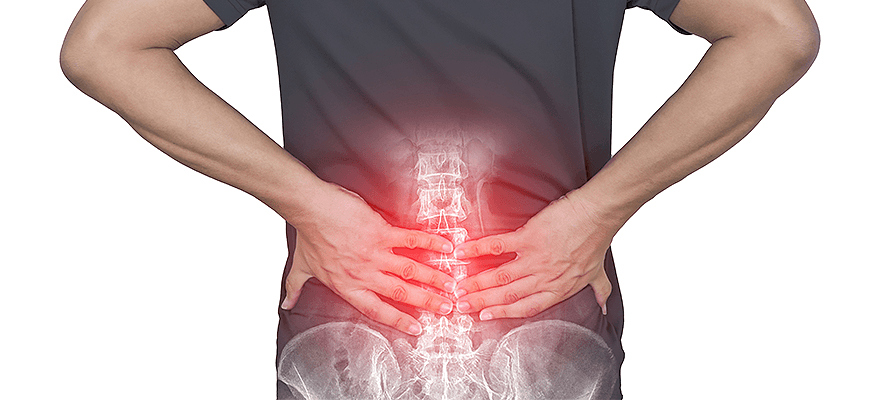
That sharp ache at the base of your spine when you stand up from your desk chair isn't just momentary. Tailbone pain affects millions of people, especially those who spend long hours sitting. It can make simple activities like sitting through a meeting or getting out of bed uncomfortable.
Whether it started after a fall, developed gradually from poor sitting habits, or appeared seemingly out of nowhere, understanding what's causing your discomfort is the first step toward finding relief.
Where Is The Tailbone And Why Does It Hurt Easily?
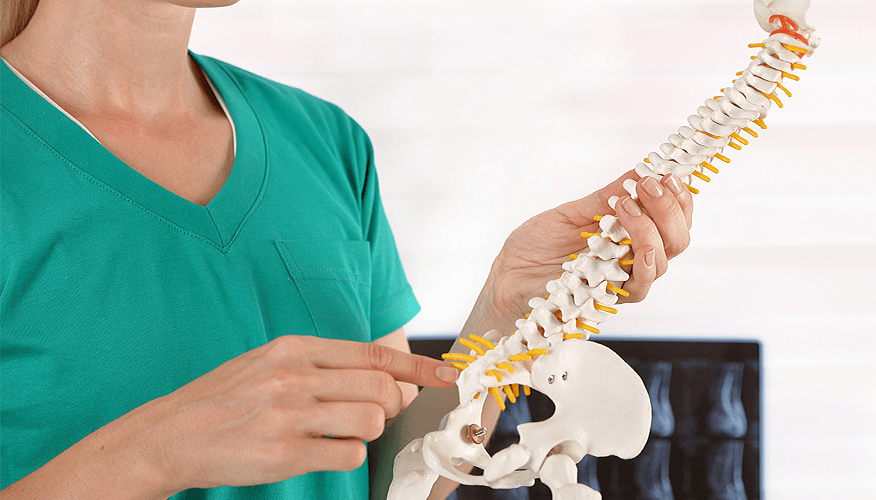
The tailbone, medically known as the coccyx, sits at the very bottom of your spine, right below your lower back. It's a small, triangular bone composed of 3 to 5 fused vertebrae, measuring approximately 4 to 10 centimeters long.
To understand its position more clearly, imagine tracing your spine down to its endpoint. The tailbone:
- Sits directly below the sacrum, the large bone at the base of your spine
- Lies deep within the upper gluteal region, surrounded by the gluteus maximus muscle
- Rests in the lower pelvis, close to the anal opening
- Forms a slightly curved, pointed structure that angles forward and downward
Despite its small size, your coccyx bone plays a surprisingly important role in maintaining good sitting posture. It works as part of a three-point support system along with your sitting bones (ischial tuberosities) to distribute your body weight when you sit.
The coccyx is vulnerable as it bears concentrated pressure every time you sit, especially when you lean back in your chair. This tiny bone has several attachment points for muscles, ligaments, and tendons that support your pelvic floor and core stability. When pressure builds up in this small area, pain develops quickly because:
- The bone has limited cushioning from the surrounding soft tissue
- The joint connecting it to your sacrum has minimal movement
- Constant pressure from sitting compresses the thin disc between bones
- Its position makes it susceptible to direct impact during falls
Common Causes Of Tailbone Pain
Understanding what triggers tailbone pain can help you identify why you're experiencing discomfort and how to address it effectively.
Prolonged Sitting On Hard Surfaces
Spending hours on hard chairs, benches, or even soft surfaces without proper support puts continuous pressure on your coccyx. The effects of prolonged sitting compound over time, as your tailbone bears weight that should be distributed across your entire pelvic area. Office workers, students, and drivers are particularly susceptible to this type of strain.
Poor Posture And Slouching
When you slouch or maintain poor posture, you shift more weight onto your tailbone than it's designed to handle. Slouched posture creates a backward tilt that increases pressure on the coccyx bone. Poor posture effects extend beyond just discomfort and can lead to chronic pain patterns that become harder to break over time.
Injury Or Trauma From Falls
Direct impact to your tailbone from falls, sports injuries, or accidents can bruise or inflame the surrounding tissues. Even minor falls onto your bottom can cause significant discomfort that persists for weeks or months.
Repetitive Strain From Activities
Certain activities, such as long-distance cycling on hard seats, rowing, or similar repetitive motions, and sitting for extended periods without breaks, create repetitive strain on your tailbone
Pregnancy And Childbirth-related Changes
During pregnancy, hormonal changes soften the ligaments around your pelvis, including those connected to your tailbone. The growing baby also puts additional pressure on the coccyx, and the birthing process can sometimes cause direct trauma to the area.
Degenerative Joint Changes
As we age, the joints in our spine, including the connection between the sacrum and coccyx, can develop wear and tear. Degenerative joint changes may make the tailbone less flexible and more prone to pain with pressure or movement.
Tailbone Pain When Sitting Or Standing Up
The transition between sitting and standing often triggers the most intense tailbone pain symptoms. When you sit, especially for extended periods, pressure concentrates on your coccyx bone. This pressure restricts blood flow to the area and compresses the soft tissues surrounding your tailbone. The longer you sit, the more this pressure builds, creating inflammation and discomfort that becomes noticeable when you try to change positions.
In contrast, standing up from a seated position often causes sharp pain because:
- Your tailbone has been compressed and needs time to decompress
- Surrounding muscles and ligaments have tightened during prolonged sitting
- Blood flow returns suddenly to the compressed area
- The change in weight distribution creates temporary stress on inflamed tissues
Additionally, certain surfaces, like hard surfaces, provide no cushioning for your tailbone, concentrating all your body weight on this small bone. On the other hand, very soft surfaces that allow you to sink in can also cause problems by forcing your tailbone into awkward positions that strain the surrounding structures.
Tailbone Pain After A Fall Or Injury
Falls and direct impacts to your tailbone create a unique type of injury that can be particularly challenging to heal due to the constant pressure this area experiences. When you fall directly onto your tailbone, the impact can cause:
- Deep bruising of the bone and surrounding soft tissues
- Inflammation of the ligaments connecting your coccyx to your sacrum
- Swelling that puts additional pressure on nearby nerves
- Muscle spasms in your pelvic floor and buttock muscles
Unlike other injuries that you can rest completely, your tailbone continues to experience pressure every time you sit. This constant stress prevents the injured tissues from healing properly and can turn what should be a minor injury into a chronic pain condition. The limited blood supply to the coccyx area also slows the natural healing process.
Most tailbone injuries heal with time and proper care, but certain symptoms indicate you may need medical evaluation:
- Severe pain that doesn't improve after several days
- Numbness or tingling in your legs or pelvic area
- Difficulty with bowel movements or urination
- Visible deformity or significant swelling
- Signs of infection, such as fever or increasing redness
Symptoms That May Occur With Tailbone Pain
Tailbone pain symptoms can vary significantly from person to person, but recognizing the common patterns can help you understand what you're experiencing and communicate effectively with healthcare providers if needed.
Types of pain you might experience:
- Sharp pain: Sudden, stabbing sensations that occur when sitting down or standing up
- Dull pain: A constant, aching discomfort that persists throughout the day
- Throbbing pain: Pulsing sensations that may worsen with movement or pressure
Physical symptoms:
- The area around your tailbone feels sore to the touch
- Swelling or inflammation in the coccyx region
- Stiffness in the lower back and pelvic area
- Muscle tension in the buttocks and lower back
Activity-related symptoms:
- Pain that intensifies when sitting, especially on hard surfaces
- Discomfort during transitions from sitting to standing
- Increased pain when leaning backward or forward
- Discomfort during bowel movements due to pelvic floor muscle tension
- Pain that improves when standing or lying down
How Tailbone Pain Is Diagnosed
Getting an accurate diagnosis is crucial for developing an effective treatment plan for your tailbone pain. The first step is getting a physical examination from your healthcare provider. They will typically:
- Review your medical history and ask about recent falls or injuries
- Examine your posture and how you sit, stand, and move
- Add gentle pressure around your tailbone area to identify tender spots
- Check for visible swelling, bruising, or deformity
- Assess your range of motion and identify movements that trigger pain
- Evaluate how you transition from sitting to standing
- Observe your natural sitting posture and any compensatory positions
- Examine whether certain movements or positions provide relief
- Check for signs of muscle imbalance or weakness in surrounding areas
Most healthcare providers can diagnose tailbone pain through physical examination alone. However, imaging tests may be recommended if:
- Pain persists despite conservative treatment
- There's concern about fracture or dislocation
- Symptoms suggest other underlying conditions
- X-rays can show bone structure and alignment
- MRI scans may be used to examine soft tissues and rule out other causes
Ways To Relieve Tailbone Pain
The good news is that most cases of tailbone pain respond well to conservative treatment approaches that you can implement at home and with professional guidance. Improving your posture is one of the most effective ways to relieve tailbone pain:
- Sit with your feet flat on the floor and knees at hip level
- Keep your back straight with your shoulders relaxed
- Avoid slouching or leaning heavily backward
- Use lumbar support to maintain your spine's natural curves
- Take regular breaks to stand and move around
Additionally, specialized cushions can significantly reduce pressure on your tailbone:
- Donut cushions: Ring-shaped cushions that eliminate direct pressure on the coccyx
- Wedge cushions: Angled cushions that tilt your pelvis forward, reducing tailbone contact
- Memory foam cushions: Contour to your body shape while providing support
- Gel cushions: Offer cooling comfort and pressure distribution
Simple changes to your daily routine can also provide substantial relief:
- Alternate between sitting and standing throughout the day
- Use a standing desk for part of your workday
- Choose chairs with good back support and cushioning
- Avoid activities that worsen your pain until healing occurs
- Modify exercise routines to avoid putting pressure on your tailbone
Home Care Tips For Tailbone Pain
Managing tailbone pain at home involves combining immediate relief with small, sustainable lifestyle adjustments. The goal is to reduce pressure on the coccyx, ease inflammation, and prevent recurring strain.
Improve how you sit:
- Lean slightly forward to shift pressure away from the tailbone
- Use a coccyx cushion or firm pillow to soften hard surfaces
- Keep both feet flat and avoid crossing your legs
- Change positions every 30 minutes
- Stand and walk for a few minutes each hour
Cold therapy works best for:
- Recent injuries
- Swelling or inflammation
- Sharp, acute pain
Apply an ice pack for 15–20 minutes several times a day.
Heat therapy works better for:
- Chronic, dull aching pain
- Muscle tightness or stiffness
- Improving circulation to the area
Use a heating pad or take a warm bath for 15–20 minutes.

Keep the area mobile with gentle movement:
- Cat–cow stretch: On hands and knees, slowly arch and round your back
- Knee-to-chest stretch: Lying down, gently draw one knee toward your chest
- Pelvic tilts: While standing or lying down, tilt your pelvis forward and back
- Walking: A low-impact way to encourage circulation without adding pressure
Make small lifestyle adjustments:
- Sleep on your side with a pillow between your knees
- Avoid prolonged sitting whenever possible
- Maintain a healthy weight to reduce pressure on the coccyx
- Stay well hydrated to support tissue repair
When To See A Doctor For Tailbone Pain
While many cases of tailbone pain resolve with home care and time, certain situations warrant professional medical evaluation. Knowing when to seek help can prevent complications and ensure you receive appropriate treatment. You should consult a healthcare provider if:
- Pain persists for more than a few weeks despite consistent home care and activity modifications
- Chronic pain shows no signs of improvement or gradually worsens over time
- Severe pain interferes with daily activities and does not respond to over-the-counter pain medication
- Intense pain develops after a fall or direct injury, especially if sitting becomes extremely difficult
- Fever occurs along with tailbone pain
- Numbness or tingling in the legs, buttocks, or pelvic region
- Weakness in the legs or difficulty walking
- Changes in bowel or bladder function
- Loss of sensation in the genital or anal area
Some symptoms could indicate nerve involvement or other serious complications that require immediate evaluation.
Conclusion
Most cases of tailbone pain improve significantly with proper care and attention to the underlying cause. Whether your discomfort stems from prolonged sitting, poor posture, or an injury, the key to recovery lies in identifying what's triggering your pain and taking steps to address it systematically.
Remember that healing takes time, especially for tailbone pain, because this area continues to experience pressure during daily activities. Be patient with the process and consistent with your home care strategies. Simple changes like using proper cushions, improving your posture, and taking regular movement breaks can make a substantial difference in your comfort level.
If your tailbone pain persists despite your best efforts at home care, don't hesitate to seek professional help. Early intervention can prevent acute pain from becoming a chronic condition and help you return to your normal activities more quickly.
Meet our expert

Meet our expert
A Doctor of Medicine (MD) in Pharmacology., currently based in Mumbai, India, Dr Pramod Mane, comes with an experience of more than 20 years of working in Medical Affairs in the Pharmaceuticals & Nutraceutical Industry. Director of Medical Services at Mega Lifesciences since 2008, Dr Mane has been associated with several MNCs in the areas of Medical Affairs, Medical Services, Medico-marketing, Pharmacovigilance & Clinical trials in his illustrious career.



How was the experience with article?
We'd love to know!