
When that familiar pressure starts building around your temples and forehead, you know exactly what's coming: another tension headache threatening to derail your day.
Whether you are juggling work deadlines, managing family responsibilities, or simply trying to keep up with life's demands, these unwelcome visitors seem to strike at the worst possible moments. However, you don't have to wait hours for relief.
Fast, effective tension headache relief is within reach through simple, practical strategies that address the root causes: stress, poor posture, and muscle tension.
Let's explore proven methods to stop that tight band of pain and get you back to feeling like yourself again.
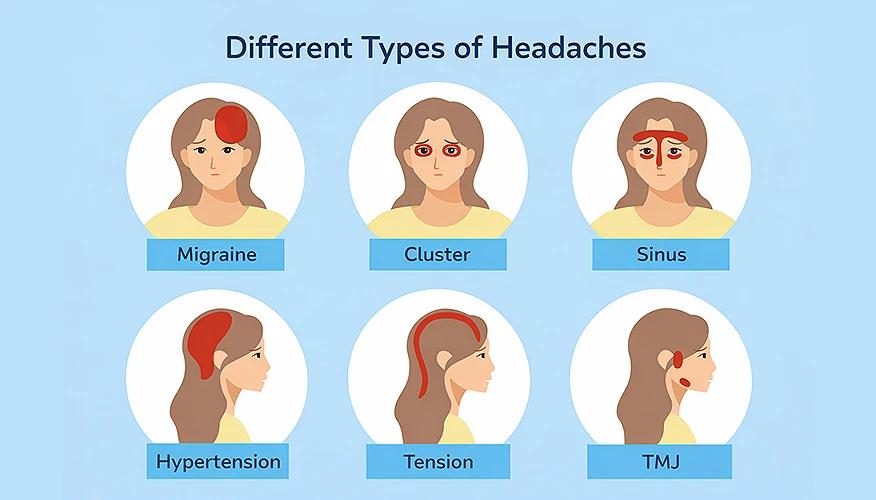
What Is A Tension Headache?
Think of a tension headache as your body's way of saying, "slow down and pay attention." Unlike the throbbing, one-sided pain of migraines, tension headaches create a steady, pressing sensation that feels like someone placed a tight band around your head. The pain typically affects both sides of your head, creating a dull ache that ranges from mild to moderate intensity.
The sensation typically starts as mild pressure around your forehead, temples, or the back of your head, then builds into a consistent, squeezing feeling. Most people describe it as wearing a hat that's too small or having someone gently but persistently pressing on their skull. The pain usually builds gradually and can last anywhere from 30 minutes to several hours.
Here's how tension headaches differ from their more intense cousin, the migraine:
| Characteristic | Tension-Type Headache | Migraine |
|---|---|---|
| Pain Quality | Dull, pressing, tight band sensation | Throbbing, pulsating |
| Location | Both sides of the head, forehead, and temples | Usually one side |
| Nausea/Vomiting | Rarely present | Common and severe |
| Intensity | Mild to moderate (4-7/10) | Moderate to severe (7-10/10) |
| Light/Sound Sensitivity | Generally not present | Often severe |
| Duration | 30 minutes to several hours | 4-72 hours |
Common Causes Of Tension Headaches
Understanding what triggers your tension headaches is the first step toward preventing them. These headaches rarely appear out of nowhere; they are usually your body's response to specific stressors or physical changes.
Stress And Emotional Pressure
Your mind and muscles are more connected than you might realize. When emotional pressure builds up, whether from work deadlines, family responsibilities, or financial concerns, your body responds by tightening muscles in your scalp, neck, and shoulders. This sustained muscle contraction creates the perfect storm for the development of a tension headache.
Neck And Shoulder Muscle Tension
Hours spent looking down at your phone, carrying a heavy bag on one shoulder, or sleeping in an awkward position can create knots of tension that radiate upward into your head. This neck muscle tension acts like a chain reaction; when your neck muscles tighten, they pull on the muscles at the base of your skull, creating that characteristic headache pressure. Shoulder stiffness compounds the problem by affecting your overall posture and creating compensation patterns that stress other muscle groups.
Poor Posture And Long Screen Time
If you spend hours hunched over a computer or looking down at your phone, you're setting yourself up for tension headaches. Forward head posture, where your head juts forward instead of sitting directly above your shoulders, creates sustained strain on your neck muscles. This is particularly relevant in our digital age, where screen exposure has become unavoidable for most working adults.
Eye Strain
Staring at screens, reading in poor lighting, or concentrating intensely on detailed work forces your eye muscles and surrounding facial muscles to work overtime. This sustained effort creates tension that radiates from your eyes to your forehead and temples, triggering headache pain.
Dehydration And Fatigue
When you're dehydrated or exhausted, your body operates under stress, making you more susceptible to muscle tension and headaches. This is especially important to consider if you live in warm climates or have demanding schedules that make it easy to forget basic self-care.
Signs You're Having A Tension Headache
Recognizing the early warning signs of a tension headache can help you take action before the pain becomes overwhelming. Here's what to watch for:
Pressure On Both Sides of The Head
Unlike migraines that typically affect one side, tension headaches create bilateral pressure. You will feel this symmetric discomfort across your forehead, temples, or the back of your head.
Tightness Around The Forehead Or Temples
That characteristic "tight band" feeling around your forehead or temples is a telltale sign. Many people describe it as feeling like someone is squeezing their head or like they're wearing a hat that's too tight. This sensation often persists throughout the entire headache episode.
Neck And Shoulder Stiffness
Pay attention to tension building in your neck and shoulders; this often precedes or accompanies the head pain. You might notice difficulty turning your head, tender spots along your neck muscles, or a general feeling of stiffness in your upper body.
Mild To Moderate Pain Without Nausea
Tension headaches typically produce manageable pain that allows you to continue your daily activities, though you might feel less effective. Importantly, you won't experience the nausea, vomiting, or severe light sensitivity that characterizes migraines. The pain feels more like steady pressure than sharp, throbbing agony.
How To Get Tension Headache Relief Fast
These immediate strategies target the underlying muscle tension and stress that fuel your discomfort.
Immediate Posture Correction
The moment you feel headache pressure building, check your posture. Straighten your spine, pull your shoulders back and down, and position your head directly above your shoulders rather than jutting forward. If you're at a computer, adjust your screen to eye level and ensure your feet are flat on the floor. This simple correction immediately reduces strain on the muscles causing your headache.
Neck And Shoulder Relaxation
Release the tension where it starts with gentle movements:
- Slowly roll your shoulders backward five times, then forward five times
- Gently turn your head side to side, holding for 10 seconds in each direction
- Tilt your head toward each shoulder, feeling the stretch along your neck
- Consciously relax your jaw muscles—many people clench without realizing it
Controlled Breathing
Activate your body's natural relaxation response with deliberate breathing techniques. Try this simple approach: breathe in slowly for four counts, hold for four counts, then exhale for six counts. This extended exhale activates your parasympathetic nervous system, helping to release muscle tension and reduce stress hormones that contribute to headache pain.
Hydration And Rest
Dehydration and fatigue amplify muscle tension, so address these factors immediately. Drink a large glass of water and, if possible, take a short break from whatever you are doing. Even five minutes of rest in a quiet space can help interrupt the tension cycle.
Reducing Screen Exposure
If you've been staring at screens, give your eyes and neck muscles a break. Follow the 20-20-20 rule: every 20 minutes, look at something 20 feet away for 20 seconds. For immediate relief, close your eyes for a few minutes or step away from your screen entirely until the headache subsides.
Fast Home Remedies For Tension Headache Relief
These simple remedies use items you likely have at home to provide quick, natural relief from tension headaches.
Heat or Cold Application
Temperature therapy works by addressing muscle tension and providing analgesic effects:
- For heat therapy: Apply a warm (not hot) compress or heating pad to your neck, shoulders, and temples for 15-20 minutes. Heat promotes muscle relaxation and increases blood flow to tense areas.
- For cold therapy: Place a cold pack wrapped in a thin cloth on your forehead or temples for 10-15 minutes. Cold reduces inflammation and provides numbing relief.
Gentle Stretching
Target the specific muscles contributing to your headache with these simple stretches:
- Neck stretch: Slowly tilt your head toward your right shoulder, hold for 20 seconds, then repeat on the left
- Shoulder rolls: Lift your shoulders toward your ears, roll them back, then lower them down
- Jaw release: Open your mouth slightly and move your jaw side to side gently
Quiet, Low-light Rest
Create an environment that supports your body's healing process:
- Find a dark or dimly lit room away from noise and distractions
- Lie down with your head slightly elevated
- Close your eyes and focus on releasing tension from your face, neck, and shoulders
- Allow 30-60 minutes for recovery without interruption
Simple Relaxation Techniques
These evidence-based techniques help break the stress-tension cycle:
- Progressive muscle relaxation: Systematically tense and release each muscle group, starting with your toes and working up to your head
- Deep breathing with visualization: Imagine tension leaving your body with each exhale
Gentle aromatherapy: If available, inhale calming scents like lavender or peppermint
Natural solutions for headache relief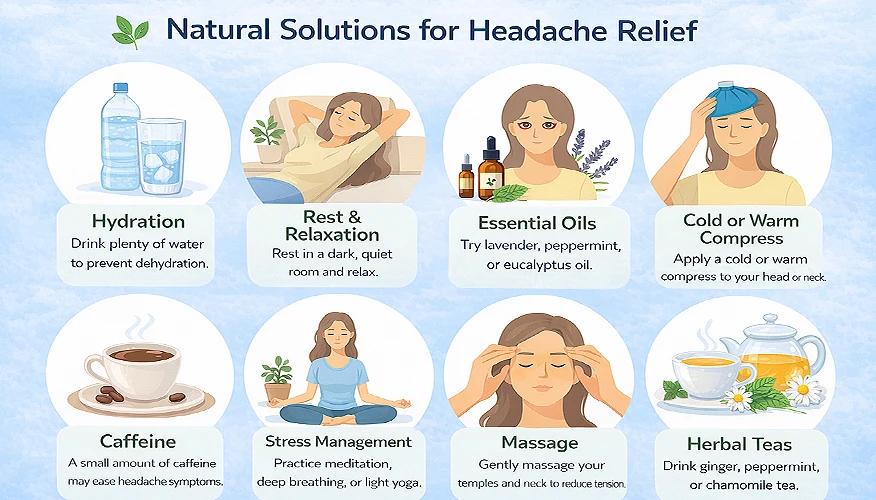
Medications For Tension Headache Relief
While natural approaches should be your first line of defense for tension headache relief, sometimes medication can provide necessary relief when combined with other strategies.
Over-the-counter Pain Relievers
Common pain relievers such as ibuprofen, acetaminophen, and aspirin can be effective for treating tension headaches when used appropriately.
Ibuprofen works particularly well because it reduces both pain and inflammation in tense muscles.
When Medication May Help
Consider medication when:
- Non-pharmacological approaches aren't providing sufficient relief
- Headache severity is significantly impacting your ability to function
- You need to maintain productivity for important commitments
- Headaches occur infrequently (fewer than 15 days per month)
Why Frequent Use Should Be Avoided
Regular use of over-the-counter pain relievers can create serious problems:
Medication overuse headaches: Paradoxically, frequent use (15+ days per month) can worsen headaches
Rebound cycles: Stopping frequent medication can trigger temporary headache escalation
Health risks: Chronic use increases the risk of stomach problems, liver issues, and other complications
How To Prevent Tension Headaches
Prevention is always better than treatment. These lifestyle strategies address the root causes of tension headaches before they start.
Stress Management Habits
Since stress is a primary trigger, developing consistent stress management practices is crucial:
- Practice daily meditation or mindfulness, even if just for 5-10 minutes
- Develop healthy boundaries around work and personal time
- Learn to recognize early stress signals and respond proactively
- Prioritize activities that bring you joy and relaxation
Ergonomic Sitting And Screen Setup
Prevent postural strain with proper workplace setup:
- Position your monitor at eye level, about 50-70 cm away
- Choose a chair with good lumbar support and keep your feet flat on the floor
- Maintain neutral wrist alignment with keyboard and mouse
- Ensure adequate lighting to reduce eye strain
- Adjust your setup regularly as needed throughout the day
Regular Movement And Breaks
Break the cycle of sustained muscle tension:
- Take hourly breaks from sitting or screen work
- Incorporate light stretching or short walks during breaks
- Aim for 150 minutes of moderate physical activity weekly
Sleep Quality Improvement
Restorative sleep supports your body's ability to manage stress and prevent tension:
- Maintain consistent sleep and wake times, even on weekends
- Aim for 7-9 hours of sleep nightly
- Create a dark, cool, quiet sleep environment
- Limit screen exposure 1-2 hours before bedtime
- Avoid caffeine and stimulants in the evening
- Develop a relaxing bedtime routine
When To See A Doctor
While most tension headaches respond well to self-care strategies, certain situations warrant professional medical evaluation.
Headaches Are Becoming Frequent
Seek medical attention if:
- Tension headaches occur 15 or more days per month
- Frequency shows a clear increasing trend over time
- Headaches begin to significantly interfere with work or school performance
- You find yourself relying on medication more than twice weekly
Pain Worsening or Changing Pattern
Concerning changes that require medical assessment include:
- Sudden escalation in pain severity or intensity
- Changes in headache location, quality, or associated symptoms
- Development of new neurological symptoms, such as vision changes or confusion
- Headaches accompanied by fever, stiff neck, or cognitive symptoms
- Headaches following head trauma or injury
Headaches Affecting Daily Life
Consider professional help when:
- Headaches significantly impair your work, school, or social functioning
- You regularly miss work or social commitments due to headaches
- Anxiety or depression develops around headache anticipation
- Current management strategies prove consistently ineffective
- Your overall quality of life declines substantially
Conclusion
Tension headaches may be incredibly common, but they don't have to control your life. With the right combination of immediate relief strategies and prevention techniques, you can achieve fast tension headache relief and reduce their frequency over time. Remember that addressing posture, managing stress, staying hydrated, and taking regular breaks from screen time are your most powerful tools for both quick relief and long-term prevention.
If your headaches become frequent or significantly impact your daily life, don't hesitate to seek medical guidance. Professional evaluation can ensure you receive appropriate care and access to additional treatment options when needed. Your well-being matters, and effective relief from tension headaches is absolutely achievable.
Meet our expert

Meet our expert
Dr. Irina Borisovna Stefanenko, a medical doctor based in Ukraine, graduated from Vinnitsa State Medical University in 1995. Between 1995 and 2000, Dr. Stefanenko pursued postgraduate studies and engaged in scientific activities at Vinnytsa Medical University in Ukraine.



How was the experience with article?
We'd love to know!