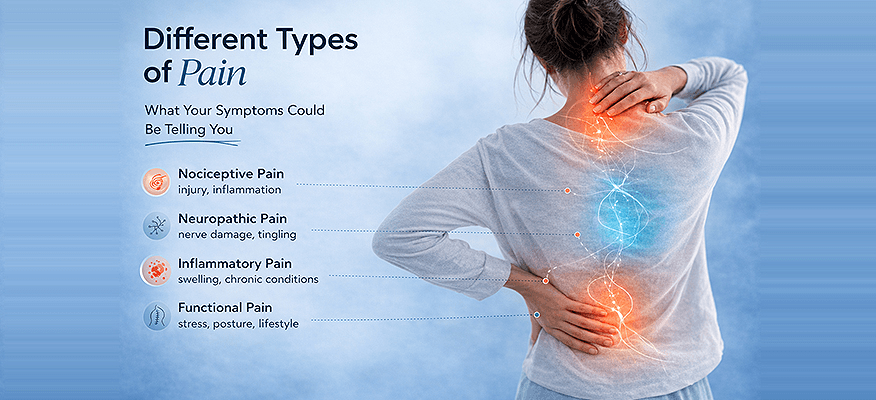
Pain comes in many forms — from sharp, acute pain caused by injury to chronic, nerve pain, inflammatory pain, and stress-related pain that persists for months. Each type of pain feels different and signals a different underlying cause in the body. Understanding the types of pain — whether throbbing, dull, burning, or mechanical — helps you respond faster, choose the right treatment, and know when to seek medical help.
Pain rarely arrives without a message. A sudden sharp sting after a sprain, a dull ache in the lower back after a long day, or a persistent burning sensation that seems to come from nowhere— each type of pain tells a different story about what may be happening inside the body. While it’s easy to think of pain simply as discomfort, it is actually one of the body’s most important communication systems, designed to alert you when something needs attention.
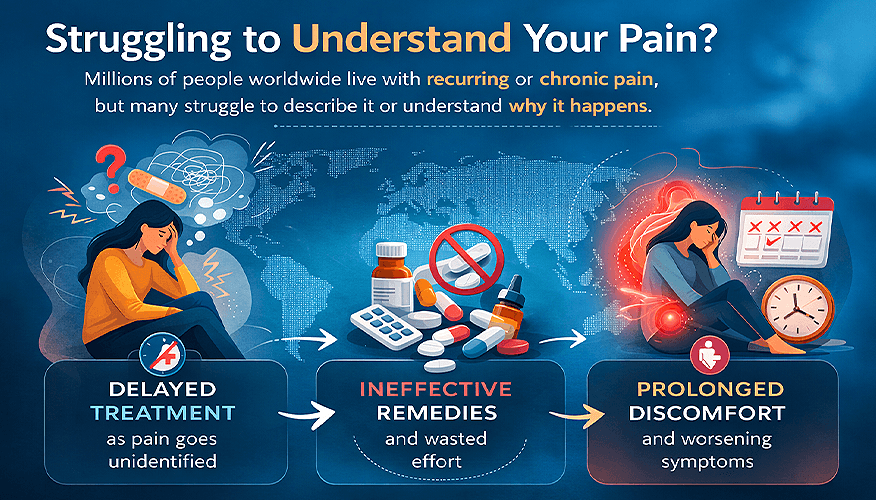
Globally, millions of people live with recurring or chronic pain, making it one of the most common reasons for medical visits. Yet many people struggle to describe what they are feeling or to understand why the pain is occurring in the first place. This confusion can lead to delayed treatment, ineffective remedies, or simply tolerating discomfort longer than necessary.
Learning to recognise the different types of pain can help you interpret these signals more clearly. From sudden, short-term pain caused by injury to nerve-related sensations that feel burning or electric, each type of pain arises from a distinct biological process. Understanding these differences not only helps you respond more effectively but also guides you toward the most appropriate treatments and lifestyle adjustments.
In this guide, we explore the major types of pain, what they typically feel like, what causes them, and how recognising these patterns can help you take smarter steps toward relief and better overall health.
What Is Pain And Why Does It Feel Different?
Pain is not a simple "ouch" signal. It's actually a sophisticated communication system between your body and brain, designed to protect you from harm.
Think of pain signals like urgent text messages traveling through your body's network. When something goes wrong, such as an injury, infection, or strain, specialized nerve endings called nociceptors act like alert sensors. These sensors detect the problem and immediately send signals racing up your spinal cord to your brain, which then decides how to respond.
But here's what makes pain so personal: your body's response depends on much more than just the injury itself.
Several factors influence how pain feels:
- Inflammation releases chemicals such as prostaglandins that make your nerves extra sensitive, like turning up the volume on your body's alarm system
- Muscle tension from stress or poor posture adds its own layer of discomfort
- Your emotional state can actually amplify pain signals through specific brain pathways
- Past experiences with pain shape how your brain interprets new signals
This explains why two people with identical injuries might experience completely different levels of discomfort. Your coworker might bounce back from a sprained ankle in days, while the same injury keeps you limping for weeks. Neither of you is being dramatic; your bodies are simply processing the same information differently.
Types Of Pain Based On Duration
Understanding whether your pain is acute or chronic helps determine the best approach to treatment and recovery.
Acute Pain
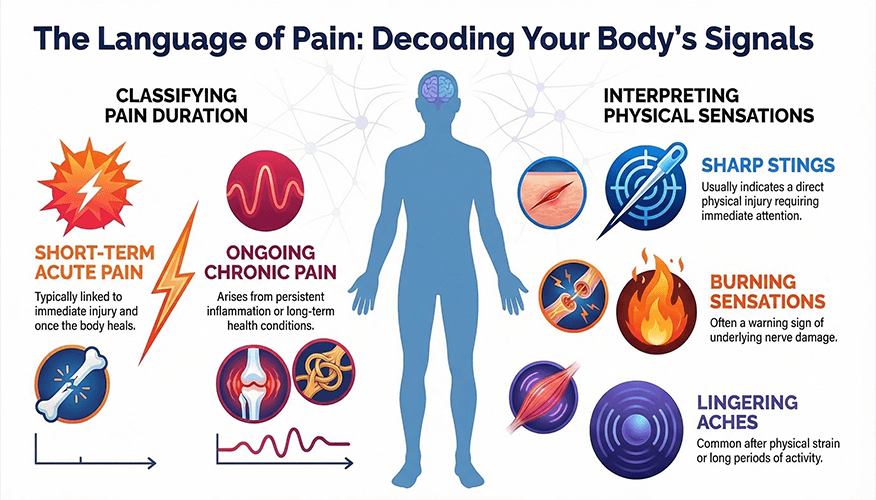
Acute pain is your body's immediate response to injury or illness. It appears suddenly and typically lasts anywhere from a few days to several weeks. This is the kind of pain that makes you stop what you're doing and pay attention.
Common examples of acute pain include:
- Sprains from a fall or awkward movement
- Post-surgical discomfort
- Muscle strains from lifting heavy objects
- Burns or cuts
- Dental pain from a procedure
Acute pain serves an important purpose: it forces you to rest and protect the injured area while your body heals. Most acute pain improves steadily with proper care and time.
When to seek medical attention for acute pain:
- Pain persists beyond the expected healing time
- Symptoms worsen instead of improving
- You develop new symptoms like fever or numbness
- The pain prevents you from performing basic daily activities
Chronic Pain
Chronic pain tells a different story. When discomfort persists for more than three months, it often signals that something more complex is happening in your body. Unlike acute pain, chronic pain may not serve a protective purpose and can significantly impact your quality of life.
Chronic pain becomes harder to treat because your nervous system undergoes changes over time, a process called central sensitization. Your nerves essentially become more sensitive, sometimes triggering pain signals even when there's no ongoing tissue damage.
The daily impact of chronic pain often includes:
- Disrupted sleep patterns that leave you exhausted
- Difficulty performing household tasks such as cooking or cleaning
- Challenges with childcare activities, from lifting babies to playing with older children
- Reduced mobility that affects work performance
- Mood changes from persistent discomfort
Conditions such as arthritis, fibromyalgia, and chronic back pain fall into this category, requiring comprehensive management strategies rather than simple rest and recovery.
Types of Pain Based On Cause
Inflammatory Pain
Inflammatory pain comes with telltale signs that are hard to miss. When your immune system responds to injury or irritation, it releases chemicals that cause the classic symptoms of inflammation: swelling, stiffness, warmth, and redness.
This type of pain feels different because inflammation makes your nerves hypersensitive. The swollen tissues also put pressure on surrounding nerves, creating additional discomfort. You might notice that inflamed areas feel tender to even light touch.
Common conditions causing inflammatory pain:
- Rheumatoid arthritis with morning joint stiffness
- Sports injuries with visible swelling
- Autoimmune conditions such as lupus
- Infections that cause localized inflammation
The pain often improves with anti-inflammatory treatments and tends to be worse in the morning or after periods of inactivity.
Nerve Pain (Neuropathic Pain)
Neuropathic pain feels unlike any other type of discomfort. Instead of the familiar ache of a bruise or strain, nerve pain creates sensations that people often describe as burning, tingling, or like electric shocks shooting through their body.
This happens when nerves themselves are damaged or irritated, causing them to send abnormal signals to your brain. The pain might come and go unpredictably or feel constant and burning.
Red-flag symptoms that suggest nerve involvement:
- Sudden onset of burning pain, especially after an illness
- Tingling or numbness in hands or feet
- Pain that follows a specific nerve pathway
- Weakness in affected areas
- Sensitivity to light touch
Conditions such as diabetic neuropathy, post-viral nerve damage, or pinched nerves commonly cause this type of pain.
Mechanical Pain
Mechanical pain responds directly to movement and position. It's the kind of discomfort that gets worse when you move in certain ways and often improves with rest or position changes.
This pain typically stems from problems with your musculoskeletal system - your bones, joints, muscles, and ligaments. Poor posture, repetitive movements, or sudden strain commonly trigger mechanical pain.
Areas most affected by mechanical pain:
- Lower back pain from lifting or prolonged sitting
- Neck and shoulders from computer work or carrying heavy bags
- Knees from climbing stairs or prolonged standing
- Wrists from repetitive tasks
The good news about mechanical pain is that it often responds well to movement modifications, proper ergonomics, and targeted exercises.
Types Of Pain Based On Sensation
Sharp Pain
Sharp pain cuts through your awareness like a knife, demanding immediate attention. This intense, well-defined sensation usually indicates acute tissue damage or injury that requires your body's immediate protective response.
Sharp pain serves as a crucial warning system, telling you to stop what you're doing and assess for injury. You might experience this with cuts, fractures, or sudden muscle tears.
When sharp pain signals serious injury:
- Accompanied by visible injury or deformity
- Prevents you from using the affected body part
- Doesn't improve with basic first aid measures
- Occurs with other concerning symptoms
Dull or Aching Pain
Dull aching pain feels like a constant, low-intensity discomfort that settles into your body and stays there. Unlike sharp pain that grabs your attention, dull pain often becomes a background presence, gradually wearing you down.
This type of pain commonly stems from ongoing inflammation, muscle fatigue, or chronic conditions. It's the kind of discomfort that makes you shift positions frequently, searching for relief that remains just out of reach.
Common causes of dull aching pain:
- Chronic joint conditions such as osteoarthritis
- Muscle tension from stress or overuse
- Poor circulation
- Prolonged inflammation
Throbbing Pain
Throbbing pain pulses with your heartbeat, creating a rhythm of discomfort that intensifies and subsides in waves. This sensation occurs when swollen tissues and inflammatory chemicals interfere with normal blood flow.
You'll often notice throbbing pain in areas with significant inflammation, such as infected wounds, severe sprains, or inflamed joints. The pulsating quality comes from your heart pushing blood through swollen, sensitive tissues.
Types Of Pain Based On Location
Muscle Pain
Muscle pain typically feels deep and aching, often accompanied by stiffness or soreness that worsens with movement. This discomfort can result from overuse, direct strain, or even nutritional deficiencies that affect muscle function.
Common causes of muscle pain:
- Overexertion from unaccustomed physical activity
- Poor posture during work or daily activities
- Vitamin D deficiency, which affects muscle strength
- Dehydration, which impacts muscle function
- Stress-related muscle tension
Muscle pain often affects large muscle groups in your legs, back, or shoulders, especially after activities such as lifting, carrying, or prolonged physical work.
Joint Pain
Joint pain presents two main patterns that help identify the underlying cause. Inflammatory joint pain typically involves swelling, warmth, and morning stiffness that lasts more than an hour. This pattern suggests conditions such as rheumatoid arthritis or gout.
Degenerative joint pain, on the other hand, tends to worsen with use and improve with rest. This pattern commonly occurs with osteoarthritis, where joint cartilage gradually wears away over time.
Here are some key differences between joint pain types:
| Inflammatory Joint Pain | Degenerative Joint Pain |
| Morning stiffness 1 hour | Brief morning stiffness |
| Improves with movement | Worsens with activity |
| Swelling and warmth present | Minimal swelling |
| Multiple joints affected | Often single joints |
Nerve-related Pain
Nerve-related pain follows specific patterns along nerve pathways, creating distinctive radiating sensations. Unlike muscle or joint pain that stays localized, nerve pain travels along predictable routes through your body.
Sciatica provides a classic example: pain starts in your lower back and radiates down your buttock and leg, following the path of the sciatic nerve. Similarly, carpal tunnel syndrome causes pain and numbness that follows the median nerve from your wrist into specific fingers.
Characteristics of radiating nerve pain:
- Follows anatomical nerve pathways
- May skip areas and appear in distant locations
- Often accompanied by numbness or tingling
- Can worsen with specific movements or positions
Emotional And Stress-related Pain
Your mind and body share a powerful connection that can transform emotional stress into very real physical discomfort.
When you're under pressure, whether from work deadlines, family responsibilities, or financial concerns, your body responds by tensing muscles and triggering inflammatory processes. This isn't "all in your head." Stress creates measurable physical changes that generate genuine pain.
How stress manifests as physical pain:
- Tension headaches from tightened neck and scalp muscles
- Back and shoulder pain from prolonged muscle contraction
- Jaw pain from unconscious teeth clenching
- Stomach discomfort from stress-related inflammation
The mind-body connection operates through specific brain pathways that can amplify pain signals during emotional distress. Your brain essentially turns up the volume on pain when you're stressed, making existing discomfort feel more intense.
This connection becomes particularly important for busy women juggling multiple responsibilities. The constant low-level stress of managing work, family, and household duties can create a cycle where emotional strain leads to physical pain, which then increases stress levels, creating even more pain.
Recognizing stress-related pain matters because ignoring it often leads to chronic pain patterns. When your body stays in a heightened state of tension for extended periods, temporary muscle tightness can develop into persistent pain conditions.
When Pain Is A Warning Sign
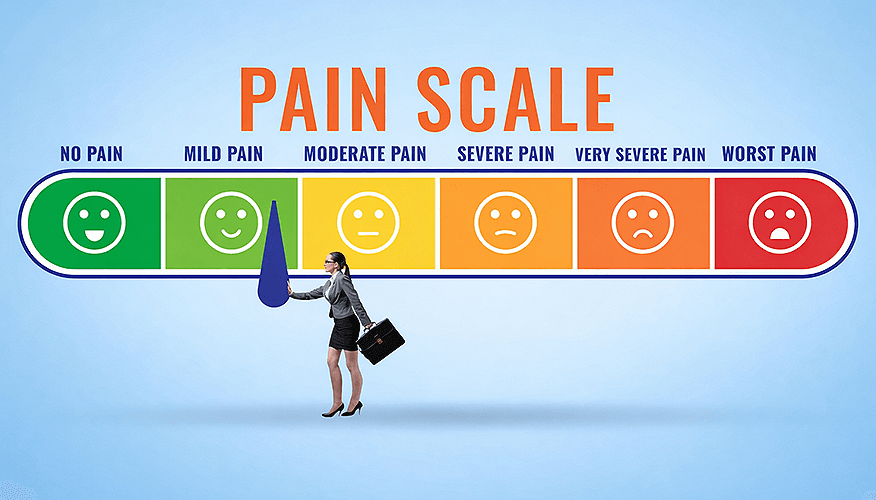
While most pain serves as your body's normal protective mechanism, certain types of pain signal serious conditions that require immediate medical attention.
Pain symptoms that need urgent medical care:
- Unrelenting pain that doesn't respond to rest or basic pain relief measures
- Pain accompanied by fever, especially if it develops suddenly
- Unexplained weight loss occurring alongside persistent pain
- Pain with shortness of breath or difficulty breathing
- Sudden onset of severe pain, unlike anything you've experienced before
Red-flag combinations that suggest serious conditions:
- Chest pain with arm numbness or jaw pain (possible heart attack)
- Severe headache with neck stiffness and fever (possible infection)
- Back pain with leg weakness or loss of bladder control (possible nerve compression)
- Abdominal pain with vomiting and high fever (possible infection or organ problems)
These warning signs often indicate conditions like infections, nerve compression, or organ problems that can cause permanent damage if left untreated. Trust your instincts - if something feels seriously wrong, seek medical care promptly.
How To Manage Different Kinds Of Pain Naturally
Natural pain management focuses on supporting your body's healing processes while addressing the root causes of discomfort.
Lifestyle Modifications For Pain Relief
Creating pain-friendly daily routines can significantly reduce both acute and chronic pain. Start with sleep hygiene. Pain often worsens when you're exhausted, and good sleep helps your body repair itself more effectively.
Essential lifestyle changes for pain management:
- Establish consistent sleep schedules, even with busy family routines
- Create ergonomic workspaces to prevent mechanical pain
- Practice stress-reduction techniques like deep breathing or gentle meditation
- Maintain regular, gentle movement throughout your day
- Balance activity with adequate rest periods
Diet And Hydration For Pain Relief
What you eat and drink directly impacts inflammation levels and pain sensitivity. Anti-inflammatory foods can help reduce pain naturally, while proper hydration keeps your muscles and joints functioning smoothly.
Foods that help reduce inflammation and pain:
- Turmeric and ginger contain natural anti-inflammatory compounds
- Fatty fish rich in omega-3 fatty acids
- Leafy greens packed with antioxidants
- Tart cherries contain natural pain-relieving compounds
- Adequate water intake to maintain tissue health
Avoid foods that promote inflammation, such as processed foods high in sugar and trans fats, which can worsen pain conditions.
Movement And Gentle Exercise
Contrary to what you might think, appropriate movement often helps reduce pain rather than worsening it. The key is choosing gentle, consistent activities that support healing without causing additional strain.
Effective movement strategies for different pain types:
- Walking for general pain relief and improved circulation
- Gentle stretching for muscle tension and stiffness
- Swimming or water exercises for joint pain
- Yoga or tai chi for chronic pain management
- Specific exercises targeting problem areas
Start slowly and listen to your body. Movement should feel good during and after exercise; if it significantly increases pain, adjust your approach.
Natural Supplement Support
Certain natural compounds can provide additional support for pain management when combined with lifestyle changes. Always consult with healthcare providers before starting new supplements, especially if you take medications.
Natural options that may help with different types of pain:
- Curcumin for inflammatory pain conditions
- Omega-3 supplements for general inflammation
- Magnesium for muscle cramps and tension
- Vitamin D for muscle and bone pain
Remember that natural doesn't automatically mean safe for everyone. Some supplements can interact with medications or may not be appropriate for certain health conditions.
When To See A Doctor For Pain
Knowing when to seek professional medical care can prevent minor issues from becoming major problems and ensure serious conditions receive prompt treatment.
Duration-based Guidance For Medical Consultation
The duration of your pain provides important guidance on when professional care becomes necessary.
For acute pain:
- Seek care if pain persists beyond 1-2 weeks without improvement
- Get immediate attention for severe pain that prevents normal function
- Don't wait if pain worsens dramatically or develops concerning symptoms
For chronic pain:
- Consult a healthcare provider if pain has lasted more than 3 months
- Seek help sooner if pain significantly impacts your daily life
- Consider professional care when self-management strategies aren't working
Pain Patterns That Require Medical Attention
Certain changes in your pain pattern signal the need for professional evaluation, regardless of how long you've been experiencing discomfort.
Warning signs that warrant medical consultation:
- Pain that intensifies despite appropriate self-care measures
- Discomfort that spreads to new areas of your body
- New symptoms developing alongside existing pain
- Pain that prevents you from sleeping or performing basic activities
Impact On Daily Life
When pain begins interfering with your ability to work, care for your family, or maintain your household, it's time to seek professional help. You don't have to suffer through pain that prevents you from living your life fully.
Consider the cumulative effect of pain on your overall well-being. Even moderate pain that persists for weeks can lead to fatigue, mood changes, and decreased quality of life that affects not just you, but your entire family.
Conclusion
Understanding the different types of pain empowers you to respond appropriately to your body's signals. Whether you're dealing with sharp acute pain that needs immediate attention, dull chronic discomfort that requires ongoing management, or stress-related tension that calls for lifestyle changes, knowing what your pain means helps you take the right action at the right time.
Remember that early intervention often prevents minor issues from becoming major problems. Don't ignore persistent pain or assume you just have to live with discomfort. Your pain is real, valid, and deserves appropriate attention and care.
Ready to take control of your pain management journey? Our comprehensive paincare resources and natural support products can help you find relief while addressing the root causes of your discomfort.
Meet our expert

Meet our expert
Dr. Irina Borisovna Stefanenko, a medical doctor based in Ukraine, graduated from Vinnitsa State Medical University in 1995. Between 1995 and 2000, Dr. Stefanenko pursued postgraduate studies and engaged in scientific activities at Vinnytsa Medical University in Ukraine.



How was the experience with article?
We'd love to know!