
That sharp twinge in your lower back after lifting your toddler, the dull ache behind your temples during a stressful workday, or the familiar cramps that arrive each month, pain has a way of interrupting daily life when you least expect it.
In simple terms, pain is your body’s alarm system — signals sent through the nervous system to warn that something may be wrong. While uncomfortable, this response plays an important role in protecting your health by encouraging you to rest, adjust, or seek care before a problem becomes more serious.
Yet most of us treat pain as something to simply endure rather than understand.
Understanding pain is therefore essential for overall health. According to global health estimates, around one in five adults lives with chronic pain, making it one of the most common reasons people seek medical care. When pain is ignored or misunderstood, it can linger longer than necessary, affect recovery, and sometimes lead to more complex health issues.
Pain also has a ripple effect on daily life. Persistent discomfort can reduce productivity at work, disrupt sleep, and make everyday activities feel exhausting. Over time, it can also affect emotional well-being, increasing stress, irritability, and feelings of fatigue. What begins as a physical symptom can quickly influence multiple aspects of quality of life.
This guide explores the essentials you need to know — the different types of pain, common causes, effective treatments, and practical ways to prevent it—so you can better understand what your body is telling you and take steps toward lasting relief.
What Is Pain And Why Does It Occur?
Pain serves as your body’s sophisticated alarm system, designed to protect you from harm. Think of it like a smoke detector: when it goes off, it's alerting you to potential danger that needs immediate attention. This protective mechanism involves specialized sensors called nociceptors, which act as tiny security guards throughout your tissues, ready to detect threats such as excessive heat, pressure, or chemical damage.
When these nociceptors sense trouble, they spring into action by releasing chemical messengers called neurotransmitters. These create electrical signals that race through your peripheral nerves, up your spinal cord, and into your brain's processing centers, the thalamus and somatosensory cortex. Your brain then interprets these pain signals and decides how to respond, whether that's pulling your hand away from a hot stove or favoring a sprained ankle.
Understanding the difference between mild pain and chronic pain is crucial for your overall health. Mild or acute pain typically lasts from days to a few weeks and resolves as your body heals. It's your body's way of saying "something needs attention right now." Chronic pain, however, persists for three months or longer and often continues even after the original injury has healed. This happens because your nervous system becomes hypersensitive, essentially stuck in alarm mode.
Inflammation plays a starring role in many painful experiences. When you're injured or fighting an infection, your immune system triggers inflammation, the familiar redness, swelling, and increased sensitivity around the affected area. While this response helps with healing, it also amplifies pain signals, making you more aware of the problem area.
Different Types of Pain You Should Know
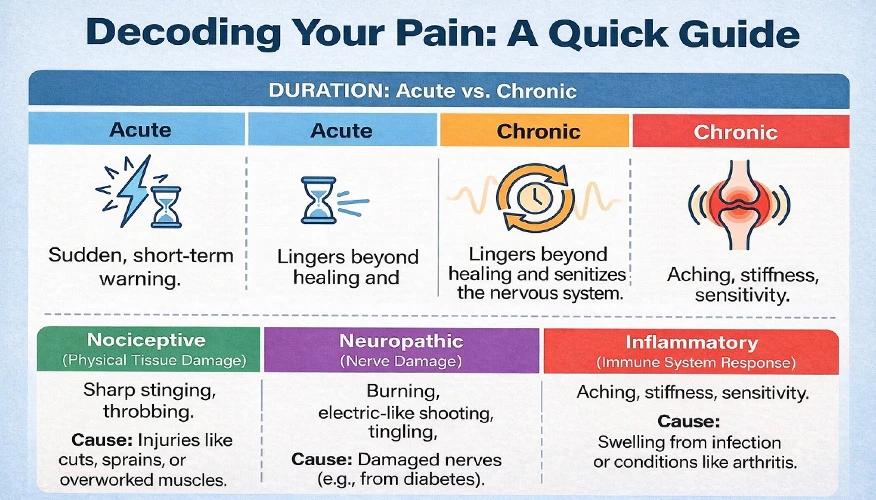
Learning to identify different kinds of pain helps you choose the most effective treatment approach and know when to seek professional help.
1. Acute vs Chronic Pain
Acute pain arrives suddenly and has a clear purpose. It's your body's immediate response to injury or threat. It typically peaks quickly and fades as healing progresses. Examples include cuts and sprains. This type of pain usually responds well to rest, basic care, and over-the-counter remedies.
Chronic pain tells a different story. It lingers beyond the normal healing time, often becoming more serious because your nervous system develops central sensitization, essentially becoming overly reactive to stimuli. You should seek medical evaluation for acute pain that doesn't improve with basic care within a few days, or whenever pain begins interfering with your daily activities, sleep, or emotional well-being.
2. Nociceptive Pain
This represents the most straightforward type of pain: direct tissue damage or inflammation, which activates your normal pain pathways. Examples include the sharp sting of a paper cut, the ache of overworked muscles after cleaning your entire house, the burning sensation of acid reflux, or the throbbing of a sprained wrist. Nociceptive pain typically responds well to conventional treatments because the pain signals are working exactly as designed.
Note: Nociceptive pain refers to the type of pain caused by tissue damage (e.g., a cut, burn, or fracture), while acute pain refers to the duration (short-term). Most acute pain is nociceptive, but nociceptive pain can become chronic.
3. Neuropathic Pain
When nerves themselves become damaged or compressed, they can create their own painful signals. Neuropathic pain often feels different from other pain types: burning, tingling, shooting, or electric-like sensations that may seem disproportionate to any visible injury. Conditions like diabetes can damage small nerves in your hands and feet, creating this distinctive type of discomfort that requires specialized treatment approaches.
4. Inflammatory Pain
This type of pain develops when the immune system responds to injury, infection, or irritation in the body. Inflammatory pain is common in conditions such as arthritis, where joint inflammation causes persistent aching and stiffness, or during infections when your body's defense mechanisms heighten pain sensitivity. The swelling and chemical mediators released during inflammation directly amplify pain signals, making even gentle touch uncomfortable.
Major Causes of Pain In Daily Life
The demands of modern life create numerous opportunities for pain to develop, often in predictable patterns that affect women juggling multiple responsibilities.
1. Headache And Migraine
- Tension headaches frequently stem from the perfect storm of daily stressors: managing work deadlines while coordinating household schedules, dehydration from busy days when you forget to drink enough water, or eye strain from extended screen time.
- Heat exposure, common in tropical climates, can trigger both tension headaches and more severe migraines. These headaches often start as mild pain but can escalate to intense pain that disrupts your entire day.
2. Menstrual And Hormonal Pain
- Monthly menstrual pain results from uterine contractions triggered by prostaglandins – hormone-like substances that help shed the uterine lining. Higher prostaglandin levels create stronger contractions and more severe pain.
- Hormonal fluctuations throughout your cycle can also influence pain sensitivity, making you more susceptible to other types of discomfort during certain times of the month.
3. Muscle And Body Pain
- Daily activities such as lifting children, carrying groceries, or maintaining household tasks can lead to muscle overuse and result in body pain.
- Dehydration, particularly common in hot climates, reduces muscle function and increases cramping.
- Viral infections often cause widespread muscle aches as your immune system fights off invaders, creating that familiar "hit by a truck" feeling during illness.
4. Joint And Bone Pain
- Repetitive movements from daily tasks such as kneeling while cleaning, carrying heavy loads, or maintaining poor posture during childcare gradually wear on your joints.
- Age-related changes in cartilage contribute to osteoarthritis, while poor ergonomics during work or household activities can create mechanical stress that leads to joint discomfort.
5. Digestive And Stomach Pain
- Stomach pain often reflects the intersection of diet, stress, and lifestyle factors. Spicy foods, irregular meal timing due to busy schedules, or the stress of managing multiple responsibilities can trigger indigestion or worsen conditions such as irritable bowel syndrome (IBS).
- This type of pain can range from dull, cramping sensations to sharp, severe pain depending on the underlying cause.
How Pain Affects Your Body
The hidden impact of pain extends far beyond the immediate discomfort, creating ripple effects throughout your physical and mental health that can fundamentally alter your daily experience.
| Area Affected | What Happens | Why It Happens (Mechanism) | Short-Term Impact | Long-Term Consequences if Persistent | Practical Implications |
| Sleep | Difficulty falling asleep, frequent waking, lighter sleep | Ongoing pain signals keep the nervous system in a heightened alert state (increased sympathetic activity) | Fatigue, reduced concentration, slower recovery | Chronic sleep deprivation, impaired immunity, and worsened pain sensitivity | Poor sleep can slow healing and lower pain tolerance, creating a pain–insomnia cycle |
| Mood & Emotional Health | Increased irritability, anxiety, low mood, emotional exhaustion | The brain processes pain and emotions in overlapping regions; stress hormones (like cortisol) rise with persistent discomfort | Frustration, stress, and reduced coping ability | Depression, chronic anxiety, amplified pain perception (pain–stress cycle) | Emotional support and stress management become essential components of pain care |
| Stress Response | Heightened stress reactivity | Persistent pain activates the body’s stress response system (HPA axis), increasing cortisol and adrenaline | Tension, headaches, muscle tightness | Burnout, immune suppression, cardiovascular strain | Stress can intensify pain perception, requiring holistic management |
| Mobility & Physical Function | Reduced movement to protect the painful area | Protective guarding response limits joint and muscle use | Temporary stiffness, decreased activity | Muscle weakness, reduced flexibility, joint instability, deconditioning | Gradual, guided movement helps prevent worsening disability |
| Muscle & Fitness Levels | Loss of strength and endurance | Prolonged inactivity leads to muscle atrophy and reduced cardiovascular conditioning | Lower stamina | Greater effort required for routine tasks; increased injury risk | Rehabilitation and physiotherapy may be needed to restore function |
| Appetite & Nutrition | Reduced appetite or irregular eating patterns | Pain-related nausea, stress hormones, or discomfort disrupt hunger signals | Low energy intake, fatigue | Nutrient deficiencies, weight changes, and reduced healing capacity | Balanced nutrition supports tissue repair and energy levels |
| Cognitive Function | Brain fog, poor concentration, and memory lapses | Pain competes for attention and mental processing resources | Reduced productivity | Persistent cognitive strain, emotional fatigue | Cognitive pacing strategies may help preserve mental energy |
| Immune Function | Altered immune response | Chronic stress hormones can suppress or dysregulate immune activity | Increased susceptibility to minor illnesses | Slower recovery from infections or injuries | Addressing chronic pain supports overall immune resilience |
Effective Pain Relief Methods You Can Try
Managing pain effectively requires a multi-faceted approach that addresses both immediate symptoms and underlying causes through practical strategies you can implement at home.
1. Lifestyle And Home Remedies
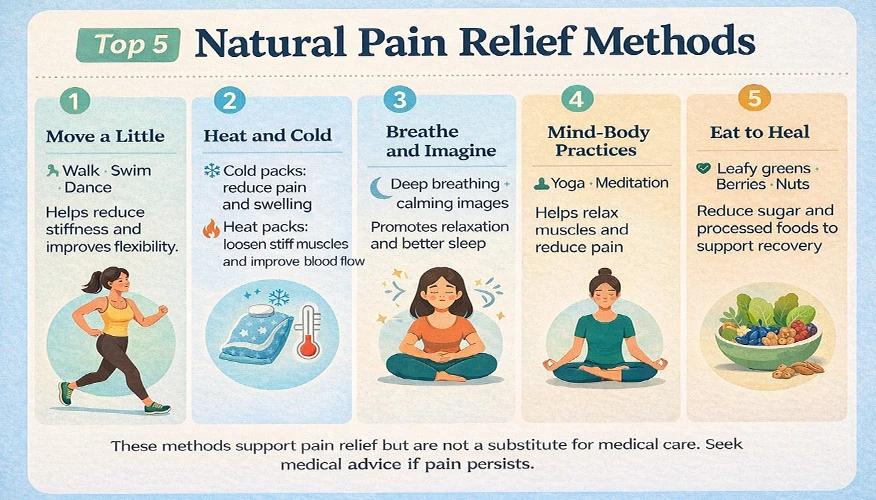
- Proper hydration supports nerve function and helps maintain the fluid balance necessary for optimal muscle and joint performance.
- Dehydration can worsen many types of pain, particularly headaches and muscle cramps.
- Gentle stretching maintains mobility without overstressing painful areas. The key lies in finding the balance between rest and movement. Complete inactivity can increase stiffness and hypersensitivity, while excessive activity can worsen inflammation and delay healing.
- Heat therapy works well for muscle tension and chronic joint pain by increasing blood flow and relaxing tight tissues.
- Cold therapy proves more effective for acute injuries and inflammation by numbing pain signals and reducing swelling. Apply heat for 15-20 minutes to relax muscles, or cold for 10-15 minutes to reduce inflammation.
2. Dietary Support
Anti-inflammatory foods can help dampen the inflammatory pathways that contribute to many types of pain.
- Omega-3 fatty acids found in fish, walnuts, and flaxseeds help regulate inflammatory responses.
- Turmeric contains curcumin, a compound that naturally modulates inflammation and pain signaling.
- Magnesium-rich foods like leafy greens, nuts, and seeds support muscle and nerve function and may reduce pain sensitivity.
3. Medications
Over-the-counter pain relievers can effectively manage mild to moderate acute pain by blocking pain signals or reducing inflammation.
Use these medications for short-term relief of pain with known causes, but avoid long-term use without medical guidance to prevent rebound sensitivity or other complications.
Always follow dosing instructions and be aware of any contraindications with other medications or health conditions.
4. Probiotics And Gut Health
- The gut-brain connection plays a significant role in pain perception and inflammation regulation.
- Probiotics may help reduce systemic inflammation and support the gut-brain axis, potentially easing visceral pain related to digestive issues.
- This approach can be particularly relevant for managing diet-related digestive discomfort and supporting overall inflammatory balance in your body.
Preventing Pain Before It Starts
Smart prevention strategies focus on addressing the root causes of common pain patterns before they develop into more serious or chronic issues.
- Better posture during daily activities makes a tremendous difference in preventing musculoskeletal pain. Pay attention to your spine alignment while cooking, lifting children, or carrying heavy bags. Keep your back straight, engage your core muscles, and avoid prolonged positions that strain your neck, shoulders, or lower back.
- Ergonomic workspace setup becomes crucial whether you're working at a desk or spending time at kitchen counters or market stalls. Adjust your seating height, monitor position, and work surface to minimize repetitive strain and maintain neutral joint positions throughout your activities.
- Strengthening exercises that target your core muscles, back, and limbs build resilience against the physical demands of daily life. Strong muscles provide better support for your joints and spine, reducing the likelihood of overuse injuries and pain from routine activities.
- Stress-reduction techniques such as deep breathing, meditation, or gentle yoga help calm your nervous system's alarm response. Chronic stress can heighten pain sensitivity and trigger muscle tension, so developing healthy stress management habits serves as an important pain prevention strategy.
- Sleep hygiene maintains consistent sleep routines that allow your nervous system to properly recalibrate its sensitivity levels. Quality sleep supports healing, reduces inflammation, and helps maintain balanced pain responses.
- Hydration and nutrition become especially important in hot climates where fluid loss through sweating can quickly lead to dehydration-related headaches and muscle cramps. Maintain adequate fluid intake and include anti-inflammatory foods in your regular diet to support your body's natural pain management systems.
Click on the below button to download e-book
When To See A Doctor
Recognizing warning signs helps you distinguish between pain that you can safely manage at home and symptoms that require professional medical evaluation.
- Seek medical attention for pain lasting more than two weeks despite appropriate home treatment, as this may indicate an underlying condition that needs specific intervention. Severe pain without a clear cause warrants immediate evaluation, especially if it develops suddenly or seems disproportionate to any obvious trigger.
- A fever accompanied by pain often signals infection or inflammatory conditions that require medical treatment. The combination of fever and pain should never be ignored, as it may indicate serious conditions requiring prompt intervention.
- Sudden numbness or weakness, particularly if it affects one side of your body or is accompanied by radiating pain, may indicate nerve compression or other neurological issues that need immediate assessment.
- Chronic digestive pain that persists or worsens over time could suggest underlying gastrointestinal conditions that benefit from proper diagnosis and treatment rather than continued symptom management alone.
- Chest pain or radiating pain that spreads to your arms, neck, or jaw requires immediate medical attention, as these symptoms can indicate cardiac issues or other serious conditions requiring emergency care.
Conclusion
Understanding the types of pain helps you respond more effectively rather than simply enduring discomfort. By recognizing triggers, improving daily habits, and using practical relief strategies, you can better manage pain and protect your overall well-being.
Lifestyle changes like hydration, movement, and stress control support long-term relief, while persistent or severe pain should always be evaluated by a healthcare professional.
Meet our expert

Meet our expert
Dr Jatin Bhide is an Ayurvedic doctor with over 16 years of enriching experience in Marketing and Strategy across OTC/FMHG, herbal medicine and Nutraceuticals (Europe) industries. He did his Bachelor of Ayurvedic Medicine and Surgery (BAMS) from Mumbai University, before moving on to do a Post Graduate Diploma in Pharmaceuticals and Healthcare Management.



How was the experience with article?
We'd love to know!