
Tangled up in the mess of your irregular sleep schedule, unpredictable emotions, and transitional calamity during menopause, essential oils can offer gentle, sensory comfort. Something to help you breathe easier through the noise.
Essential oils have existed for centuries in almost every culture, wherever aromatic plants existed, from Egypt (around 4500 BCE) to ancient India. Despite their rich heritage and long lineage of contributions in Ayurveda, western aromatherapy, and spiritual elevations, essential oils are now studied more closely for their ability to support emotional balance and physical relief.
While they are not medical treatments or hormonal replacements, they can complement other approaches when used safely and consistently.
Safety first (must-read)
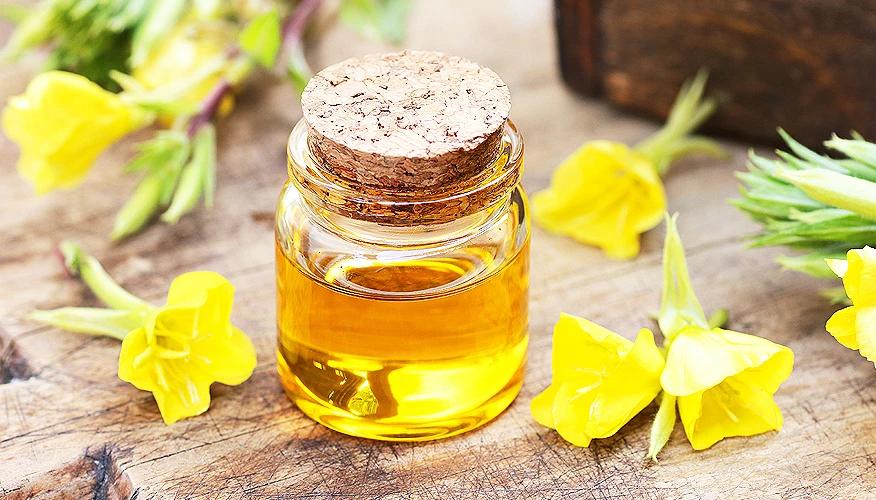
Before trying essential oils for menopause, safety deserves your full attention. Misuse of these plant extracts can cause real harm.
First and foremost, never swallow essential oils. Given how concentrated they are, when taken internally, they can burn internal delicate mucous membranes and tissues, irritate the stomach, and in severe cases, damage your liver and kidneys.
For dermal applications, there exists a number of carrier oils, like jojoba, almond, or fractionated coconut, that can be used to dilute the concentrate before using it on your skin. Even a few undiluted drops can cause rashes or chemical burns.
Do not use them inside your vaginal canal. Marketers conveniently forget to mention that essential oils can disrupt the delicate bacterial balance and make you prone to infections. Use medical-grade moisturizers or lubricants instead if vaginal dryness is an issue.
For topical use, always perform a patch test. Apply a small amount of the diluted blend on your inner arm and wait a full day to watch for irritation.
If you are, or live with, someone with asthma, migraines, or sensitive skin, begin with extremely low concentrations and build up from there. Be also prepared with an asthma action plan. Peppermint and eucalyptus oils can provoke coughing or wheezing even when diffused lightly.
Be extra cautious if you share your home with pets. Cats and dogs metabolize essential oils differently and can become sick even from airborne exposure. Allow them to leave the room whenever you diffuse.
Finally, those with hormone-sensitive conditions, like breast cancer, fibroids, or endometriosis, should avoid oils with estrogen-like activities, such as clary sage, fennel, or geranium, unless cleared by a specialist.
How essential oils may help
Essential oils interact with your body primarily through inhalation and absorption. When you inhale their aroma, molecules reach your brain’s limbic system, the region that regulates emotions, memory, and hormonal responses.
In one study, clary sage, for example, was shown to reduce cortisol levels by about one-third in postmenopausal women. What it means is, a lower cortisol level calms your mood and reduces the frequency of stress-driven hot flashes.
In another research, lavender was found to consistently improve sleep quality and reduce insomnia when diffused before bedtime. Its calming influence extends to lowering heart rate and blood pressure.
Despite some claims, essential oils can’t alter estrogen levels directly. What they can do is help you cope better with the side effects of declining estrogen, especially stress, disrupted sleep, and fatigue.
Best Essential Oils by Symptom

Here are a few examples of essential oils that work with specific symptoms:
Hot Flashes and Night Sweats
- Peppermint’s menthol content delivers an instant cooling effect when diluted and applied to the back of the neck or wrists.
- Spearmint offers a milder version of the same relief. Clary sage may also reduce hot flash frequency by influencing mood and stress hormones, though it should be used carefully by women with hormone-related conditions.
Sleep Issues and Restlessness
- Lavender remains the go-to oil for sleep. But, roman chamomile has apigenin, which helps you relax, while cedarwood helps you make more serotonin and melatonin, both of which are important for getting a good night's sleep.
- A rather short study concluded that lavender and chamomile diffusion made sleep more effective after just two weeks of usage.
Stress, Anxiety, and Mood Swings
- Bergamot and neroli stand out for their emotional effects. Studies reveal they can ease anxiety and reduce blood pressure while improving perceived quality of life.
- Ylang ylang lowers heart rate and enhances calmness, making it useful during tense or irritable moments.
- Frankincense, though less studied, has long been associated with emotional grounding and mindfulness.
Low Energy and Focus Problems
- Lemon and peppermint are known to energize and improve alertness. Rosemary, on the other hand, sharpens memory and combats fatigue.
- However, avoid it if you have uncontrolled hypertension.
How to use them (methods and dilutions)
Diffusion is the simplest method. Add about eight drops of your chosen oil to a diffuser filled with water. Let it run for half an hour, then take a break of similar length. Continuous overnight diffusion isn’t recommended because the nose stops detecting scent after prolonged exposure.
For personal inhalation, place a few drops on a cotton ball or a reusable inhaler stick. Inhale deeply when you feel a hot flash, fatigue, or stress creeping in.
Topical use requires dilution. For daily application, mix one teaspoon of carrier oil with two drops of essential oil (about a 2% dilution). Apply to pulse points, the back of your neck, or the soles of your feet. To target muscle aches, slightly increase the strength, but keep the blend time-limited rather than daily.
Simple routines for using essential oils
A morning diffuser blend of lemon, rosemary, and peppermint helps clear brain fog and lift energy. During the afternoon, when hot flashes tend to peak, a peppermint-clary sage cooling mist keeps you comfortable. Before bed, diffuse lavender and chamomile for half an hour, or apply them topically to wrists and temples to quiet the mind.
When stress builds up, inhale bergamot or sweet orange directly from a tissue. Deep breathing for two or three minutes helps reset your mood almost instantly.
When to see a clinician
Essential oils are not replacements for medical evaluation. If your symptoms become severe, disturb your sleep consistently, or affect your emotional stability, consult your healthcare provider. Report all complementary products you use, especially if you are on hormone replacement therapy. Transparency ensures that everything you do works together safely.
Any persistent irritation, breathing trouble, or headaches after essential oil exposure are also signs to pause use and seek professional guidance.
Conclusion
Essential oils provide a sensory way to ease through menopause. They help calm the mind, cool the body, and soften the emotional roughness that comes with hormonal change. Lavender, peppermint, bergamot, and lemon remain the most reliable companions for daily use.
Safety remains the foundation. Always dilute, never ingest, and never apply inside the vaginal canal. Use them with patience and purpose. The real transformation happens when you let aroma become part of your rhythm.
Meet our expert

Meet our expert
Dr Sylvia Kama-Kieghe is a UK-based General Practitioner with a special interest in Women's Health and founder of Askawayhealth. She's also a tutor and medical student examiner. She is a Fellow of the Royal College of General Practitioners (FRCGP), Fellow of the Royal Society of Public Health (FRSPH), Fellow of the Royal Society of Medicine (FRSM), and holds a Diploma of the Faculty of Sexual and Reproductive Healthcare (DFSRH).



How was the experience with article?
We'd love to know!