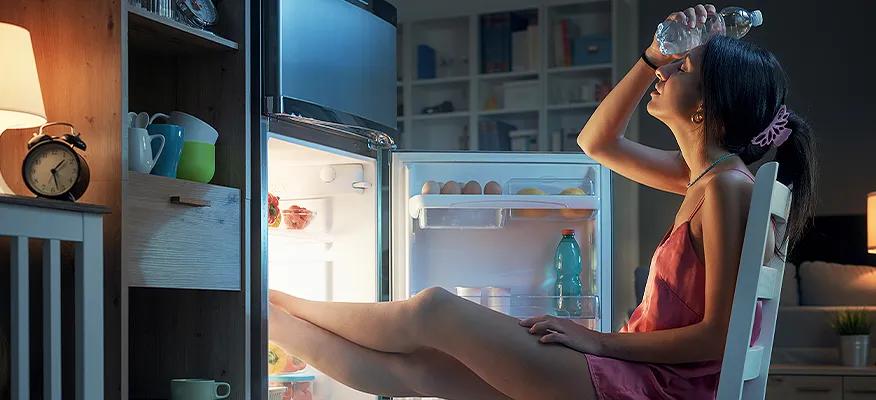
Just as night falls and you snuggle into your cozy bed after a long day, bracing yourself for a peaceful slumber, it suddenly hits—that unpleasant wave of heat, leaving you drenched in sweat. Sounds familiar? Well, you’re not alone!
Night sweats during menopause are like that unexpected guest at a party—no one invited them, yet they have a way of showing up unannounced!
Night sweats are one of the most common symptoms women experience during the menopausal transition. It’s like your body decides to throw its very own late-night party, leaving you hot, sweaty, and desperately seeking some cool comfort.
And if that wasn’t enough, this unsolicited guest often comes hand-in-hand with sleep disturbance, creating a roadblock in your journey to dreamland.
So why exactly do these night sweats occur? Is there any way to stop sweating in sleep? What does menopause have to do with this sudden eruption of midnight saunas?
Buckle up as we embark on this journey together to understand what causes night sweats, their connection with menopause, and how we can manage them for better sleep.
Understanding night sweats during menopause
Night sweats, a common symptom experienced by many women during menopause, can be defined as excessive sweating during the night. These are not your typical overheating instances but episodes where you wake up drenched in sweat.
For many, it can become a source of anxiety and sleep disturbance, leading to menopause and poor sleep. The main factor that causes night sweats is the fluctuation in hormone levels, predominantly estrogen, during menopause.
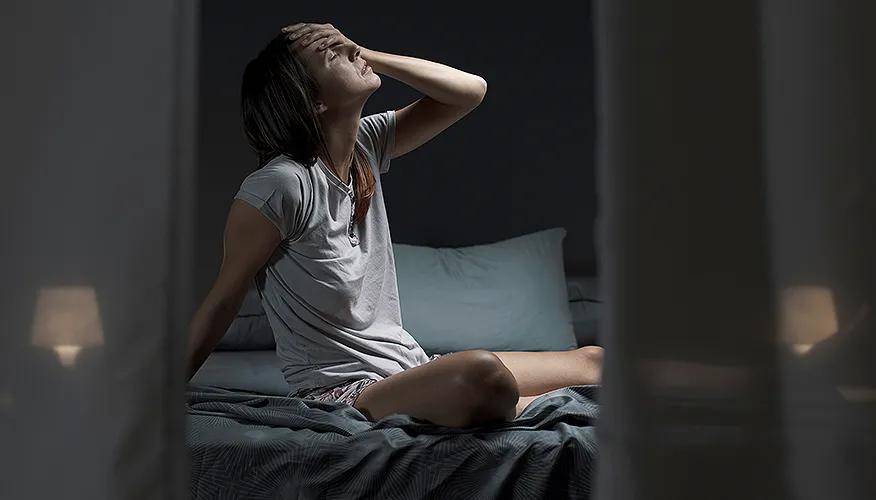
When the estrogen levels drop, it impacts the hypothalamus—the part of the brain that controls body temperature. The hypothalamus gets confused and thinks the body is overheating, triggering off a series of events to cool the body down. This results in hot flashes and night sweats. In some cases, conditions such as Polycystic Ovary Syndrome (PCOS) can also cause night sweats.
It’s worth noting that while menopause is a common cause of night sweats in women over 40, other health issues, such as infections or certain medications, can also contribute to these uncomfortable episodes.
Lifestyle changes to reduce night sweats
Making specific lifestyle adjustments can help alleviate night sweats and improve your overall sleep quality.
Here’s how you can address night sweats and sleep disturbances effectively:
Dietary adjustments
Diet plays a significant role in managing night sweats during menopause. Certain foods and beverages can trigger or worsen sweating in sleep.
To help reduce night sweats, consider the following dietary adjustments:
- Avoid caffeine: Caffeinated beverages such as coffee, tea, and some sodas can stimulate your nervous system and exacerbate hot flashes and sweating. Opt for herbal teas like chamomile or peppermint, which are less likely to trigger night sweats.
- Limit alcohol: Alcohol can interfere with your sleep patterns and increase the frequency of night sweats. Reducing or eliminating alcohol from your diet can help improve your sleep quality and decrease the incidence of night sweats.
- Reduce spicy foods: Spicy foods can raise your body temperature and trigger hot flashes, leading to increased sweating. Try to avoid spicy dishes and instead focus on mild, soothing flavors that won’t disrupt your sleep.
- Opt for hydrating foods: Incorporate foods with high water content into your diet, such as cucumbers, watermelon, and celery. These can help keep you hydrated and may reduce the severity of night sweats.

Regular exercise
Engaging in regular, moderate exercise can significantly benefit your overall health and manage menopause and poor sleep.
Exercise helps regulate hormones and reduces stress, both of which can influence night sweats:
- Consistency: Aim for at least 30 minutes of moderate exercise most days of the week. Activities like brisk walking, cycling, or swimming can help manage symptoms and improve sleep quality.
- Avoid late-night workouts: Exercising too close to bedtime can raise your body temperature and make it harder to fall asleep. Schedule your workouts earlier in the day to ensure they contribute positively to your sleep.
- Stress reduction: Exercise is a great way to manage stress, which is often linked to increased sweating and hot flashes. Incorporate activities such as yoga or tai chi to help calm your mind and body.
Creating a comfortable sleep environment
Your sleep environment plays a crucial role in managing night sweats and improving sleep quality:
- Keep your bedroom cool: To avoid overheating, maintain a comfortable, cool temperature in your bedroom. A fan or air conditioner can help regulate the room’s temperature and reduce night sweats.
- Choose breathable bedding: Opt for bedding made from natural, breathable materials such as cotton or bamboo. These fabrics allow for better air circulation and can help keep you cool during the night.
- Layer your bedding: Consider using lightweight, moisture-wicking sheets that can help manage sweat. Layer your bedding so you can easily adjust it if you get too warm or cool during the night.
- Hydrate before bed: Drinking a glass of water before bedtime can help prevent dehydration, which can exacerbate night sweats. However, avoid drinking excessive amounts to prevent nighttime awakenings.
Natural remedies for night sweats
Managing night sweats during menopause can often be approached effectively through natural remedies. These strategies focus on alleviating symptoms and improving overall comfort during sleep.
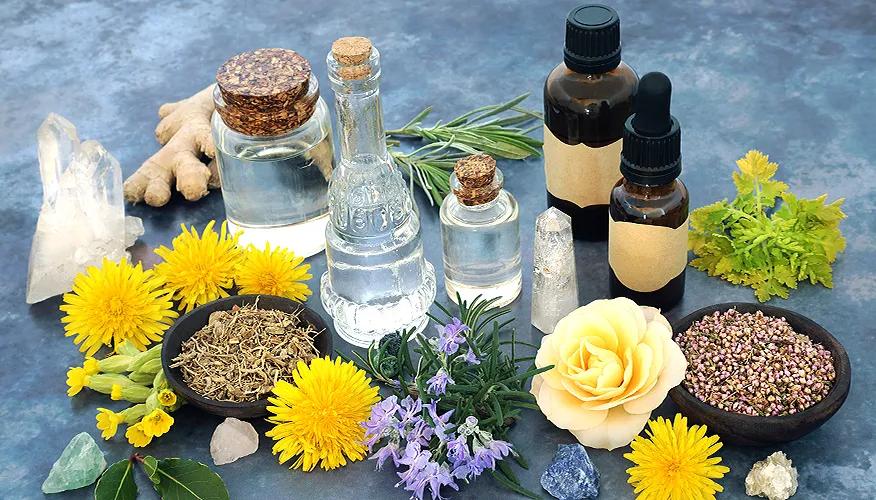
Here are some natural remedies that may help:
Herbal supplements
Herbal supplements have long been used to address menopausal symptoms, including night sweats.
Two notable options are:
Black cohosh
- Black cohosh is a popular herb known for its potential to help with menopausal symptoms such as night sweats.
- It is thought to have estrogen-like effects that can balance hormones and reduce hot flashes.
- Consider incorporating black cohosh into your daily routine, but always consult with a healthcare provider to determine the appropriate dosage and ensure it does not interact with any medications you are taking.
Sage
- Sage has been traditionally used to manage excessive sweating and hot flashes.
- It is believed to have anti-inflammatory and cooling properties that can help regulate body temperature.
- Sage can be taken as a supplement or brewed into tea. As with any supplement, consult with a healthcare provider to confirm its suitability for you.
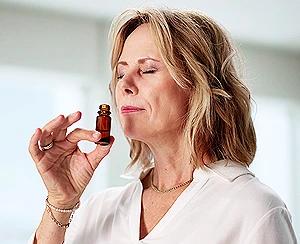
Essential oils
Essential oils offer a natural way to create a soothing environment and potentially manage night sweats.
Some effective options include:
Lavender
- Lavender essential oil is renowned for its calming and relaxing properties. It can help ease anxiety and promote restful sleep.
- Applying a few drops of lavender oil to your pillow or using a diffuser in your bedroom can create a calming atmosphere that may help reduce night sweats.
Peppermint
- Peppermint oil is known for its cooling effect, which can help lower body temperature and alleviate feelings of heat.
- Using peppermint oil in a diffuser or adding a few drops to a carrier oil and applying it to your skin may provide relief from night sweats.
Stress management
Stress and anxiety can exacerbate night sweats, so incorporating stress management techniques can be beneficial:
- Meditation: Practicing meditation can help calm your mind and reduce overall stress levels. Techniques such as mindfulness meditation or guided imagery can be particularly effective in managing anxiety and improving sleep quality. Setting aside a few minutes each day for meditation can contribute to reduced night sweats and better overall well-being.
- Yoga: Yoga combines physical movement with breathing exercises, which can help reduce stress and improve sleep. Certain poses and stretches are designed to relax the body and mind, potentially alleviating symptoms of night sweats. Incorporating yoga into your daily routine can help manage menopausal symptoms and improve overall health.
- Deep breathing: Deep breathing exercises can help regulate your body’s stress response and may reduce the severity of night sweats. Simple techniques, such as taking slow, deep breaths in through your nose and out through your mouth, can help calm your nervous system and promote relaxation.
Practical tips for immediate relief
Here are some practical tips for immediate relief:
Keep a cool cloth or ice pack by the bed
- Having a cool cloth or ice pack readily available by your bed can provide quick relief from night sweats.
- Applying a cool cloth or ice pack to areas like your forehead, neck, or wrists can help lower your body temperature and reduce sweating.
- The cooling effect helps counteract the heat that causes night sweats and can provide instant comfort during those waking moments. This method is simple yet effective, offering immediate cooling to help you get back to sleep.
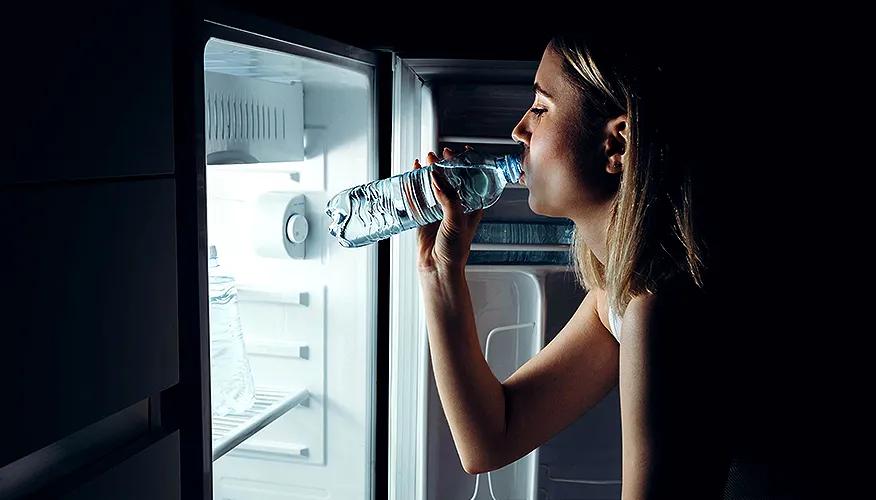
Drink a glass of cold water
- Staying hydrated is essential, especially when dealing with night sweats. Drinking a glass of cold water can help rehydrate your body and cool you down internally.
- Cold water helps to balance your body temperature and can soothe you when you wake up drenched in sweat.
- Keeping a water bottle by your bed ensures that you can quickly address dehydration and potentially mitigate the intensity of night sweats.
Take a cool shower before bed
- Taking a cool shower before bed is another effective strategy to lower your body temperature and reduce the likelihood of night sweats.
- A cool shower can help wash away sweat and refresh your body, making it easier to settle into a comfortable sleep. By cooling down before getting into bed, you can potentially prevent night sweats from occurring during the night. Incorporating this habit into your nighttime routine can help improve your overall sleep quality and manage perimenopausal symptoms.
Conclusion
Night sweats during menopause may seem overwhelming, but remember, you are not alone, and there are ways to manage them.
Small changes in lifestyle, such as dietary modifications, regular exercise, creating a cooler sleep environment, using natural remedies like herbal supplements and essential oils, and stress management techniques, all play crucial roles in reducing night sweats.
Coping with night sweats is about seeking relief and improving your overall well-being during menopause. Don't let these bouts of midnight sweating disrupt your life—take charge and rest easy, knowing there are ways to manage them effectively. The journey of menopause is indeed different for every woman, but with the right tools and techniques, it can be navigated with ease and comfort.
Meet our expert

Meet our expert
Dr. Pakanich Maria Petrivna graduated from Ukraine's Uzhhorod National Medical University, Faculty of Medicine, in 1999. She further pursued her post graduation studies at Lviv National Medical University between 1999-2000. She then spent 16 years (2000-2016) at the same university as the resident doctor neurologist. Since 2016,Dr. Pakanich Maria Petrivna has been associated as a medical representative with Mega We Care.


How was the experience with article?
We'd love to know!